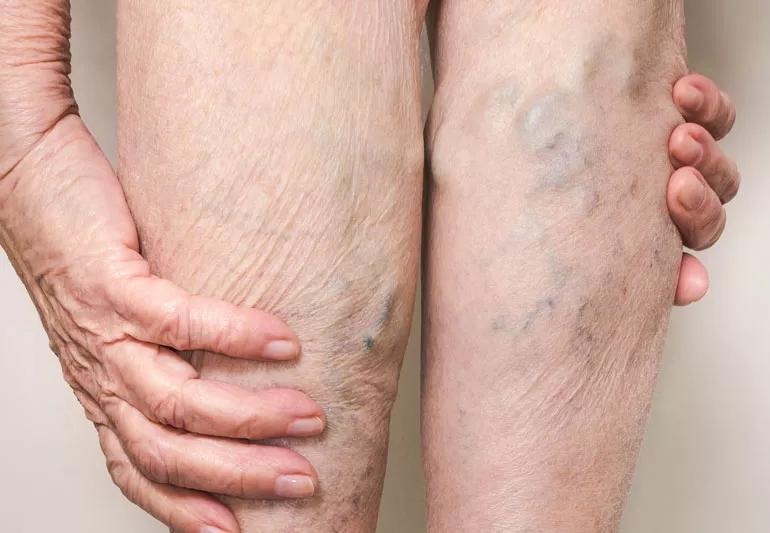

Veins are essential for returning blood to the heart and maintaining healthy circulation. When a vein collapses, blood flow is disrupted, which can cause discomfort, swelling, and sometimes more serious complications. Many patients wonder what causes a vein to collapse and how they can protect their vascular health. Understanding the factors behind vein collapse is the first step toward effective care and prevention.
At Vascular & Interventional Specialists of Prescott (VISP), patients receive advanced evaluations and minimally invasive treatments designed to restore vein function and overall circulation.
Common Reasons a Vein Collapses
A vein can collapse for several reasons, often related to trauma, medical procedures, or underlying vascular conditions. Some of the most common causes include:
- Repeated Needle Use or IV Access
Veins that are frequently used for injections, IVs, or blood draws can weaken over time. Repeated punctures may damage the vein wall, leading to collapse. - Dehydration or Low Blood Volume
When the body is dehydrated or blood volume is low, veins can shrink and lose their structural support. This makes them more susceptible to collapse, especially during medical procedures. - Trauma or Injury
Direct impact or pressure on a vein can damage its walls and restrict blood flow, resulting in collapse. Even minor injuries can have long-term effects if the vein becomes weakened. - Inflammation or Infection
Inflammation in the veins or surrounding tissue can compress the vein, leading to a temporary or persistent collapse. In some cases, infections may damage the vein wall directly. - Underlying Health Conditions
Certain vascular conditions, including venous insufficiency or clotting disorders, can increase the risk of vein collapse. Structural weakness in the vein wall may also be a factor.
Signs You May Have a Collapsed Vein
Recognizing early symptoms can help prevent further complications. The symptoms of a collapsed vein often include:
- Pain or tenderness along the vein
- Swelling in the affected area
- Discoloration of the skin near the vein
- Reduced blood flow or a feeling of tightness
- Difficulty inserting IVs or drawing blood in the area
If you notice any of these signs, it’s important to seek professional evaluation to determine the best course of action.
How VISP Helps
At Vascular & Interventional Specialists of Prescott, our team provides comprehensive vein evaluations to determine the cause and extent of vein collapse. Using advanced imaging and minimally invasive techniques, VISP specialists can restore proper blood flow and prevent further vascular issues.
Treatment plans are tailored to each patient’s needs and may include supportive care, lifestyle modifications, or minimally invasive procedures designed to reinforce vein function and reduce discomfort. Early intervention is key to protecting vascular health and improving overall circulation.
Preventing Vein Collapse
While some vein collapses cannot be completely prevented, several strategies can help protect your veins:
- Stay well-hydrated to maintain blood volume
- Avoid repetitive stress or trauma to the same vein
- Follow professional guidance for IV or injection procedures
- Maintain a healthy lifestyle to support vascular health
Regular check-ups with a vascular specialist can also identify weak veins before they collapse, allowing for early intervention and long-term vein preservation.
Final Thoughts
Knowing what causes a vein to collapse helps patients take preventive measures and recognize when professional care is necessary. With proper evaluation, minimally invasive treatment options, and ongoing support from VISP, most patients can restore vein function, relieve discomfort, and maintain healthy circulation.
If you’re experiencing pain, swelling, or other vascular concerns, scheduling an evaluation with Vascular & Interventional Specialists of Prescott can help you get personalized care and guidance for lasting vascular health.