
Surgical choices can define your recovery journey. Traditional open surgery often means longer hospital stays, visible scars as permanent reminders, and weeks of limited mobility. Laser techniques offer precision that conventional methods struggle to match, targeting affected areas without disturbing healthy tissue. Making an informed decision requires understanding when each approach delivers optimal results for your specific condition.
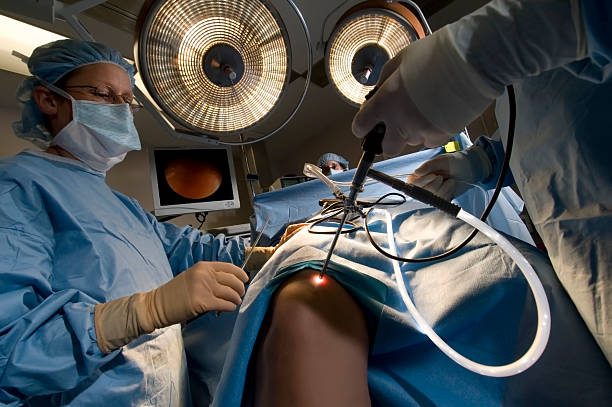
Laser-assisted surgery Ranchi facilities now offer alternatives that reduce tissue trauma significantly. This approach uses focused light energy to cut, coagulate, or vaporise tissue with remarkable accuracy. Unlike traditional scalpels affecting surrounding areas, laser beams target specific cells. Your body experiences less bleeding because lasers seal blood vessels instantly. Smaller incisions mean reduced infection risk and faster healing.
You face a crossroads when doctors suggest surgery. Open procedures have served medicine for decades, yet they carry risks many patients underestimate. Extended recovery periods force you away from work and family obligations. The decision affects not just immediate outcomes but your quality of life for months ahead.
When Precision Outweighs Convention
Delicate Anatomical Structures: Procedures near vital organs or nerves benefit from laser precision. Surgeons work millimetres from critical structures without accidental damage. Your spinal cord, major blood vessels, or facial nerves require protection that broad scalpel cuts cannot guarantee. Laser techniques reduce tremor impact during operation.
Minimising Collateral Damage: Traditional surgery cuts through multiple tissue layers to reach target areas. Lasers penetrate directly, sparing healthy cells from unnecessary trauma. This selectivity proves crucial when removing tumours near sensitive organs. Your recovery depends on how much healthy tissue remains intact after diseased portions are removed.
Conditions That Favour Laser Intervention
Gynaecological Applications: Endometriosis, fibroids, and cervical dysplasia respond well to laser treatment. The approach preserves fertility by targeting only diseased tissue. You experience shorter hospital stays compared to traditional procedures. Recovery allows return to normal activities within days rather than weeks.
Ophthalmic Corrections: Vision problems like cataracts, glaucoma, and retinal tears benefit from laser precision. Your eye surgeon can reshape corneas or seal retinal tears without large incisions. The procedure often happens in outpatient settings, eliminating overnight stays. Most patients resume daily routines within 24 hours.
Targeted Tumour Removal: Certain cancers confined to small areas become laser candidates. Surgeons destroy abnormal cells protecting surrounding healthy tissue. You avoid organ removal in some cases where traditional surgery demands it. Brain, throat, and skin cancers particularly suit this approach when caught early.
Risk Factors and Patient Selection
Medical History Considerations: Your overall health determines surgical candidacy. Heart conditions, diabetes, or bleeding disorders may complicate either approach, but laser surgery often poses fewer cardiovascular demands. Shorter operating times reduce anaesthesia exposure for patients with respiratory issues. Blood thinning medications create less concern because lasers cauterise as they cut.
Disease Stage and Location: Early-stage conditions respond better to laser intervention. Advanced cancers requiring extensive tissue removal still need traditional surgery. Your tumour’s location matters too. Deep abdominal masses may sit beyond effective laser reach. Perioperative care requirements decrease because smaller wounds need less intensive monitoring.
Recovery Capacity Assessment: Patients unable to tolerate long recoveries prefer laser options when suitable. You might choose this approach if returning to work quickly matters for financial reasons. Elderly patients or those with limited support systems benefit from shorter healing periods. The technique reduces strain on families providing post-operative care.
Comparing Outcomes You Can Measure
Recovery Timelines Compared: Traditional surgery patients often need six to eight weeks before resuming normal activities. Laser procedures typically allow return within one to three weeks. You spend less time managing pain medication and wound care. Hospital readmissions for complications occur less frequently with minimally invasive approaches.
Pain Management Differences: Post-operative discomfort decreases substantially with laser techniques. Your nerve endings sustain less damage from precise energy application. Many patients require only over-the-counter pain relief rather than prescription narcotics. This reduces dependency risks and side effects like constipation or drowsiness.
Long-Term Functional Results: Studies show comparable cure rates between methods for appropriate conditions. You achieve disease control without sacrificing quality of life. Tissue preservation rates exceed traditional surgery in select cases. Organ preservation, fertility, continence, and mobility outcomes often surpass conventional approaches when lasers suit the condition.
Practical Advantages Worth Considering
Laser surgery offers measurable benefits that extend beyond the operating theatre:
- Reduced scarring makes cosmetic outcomes superior for visible body areas with minimal keloid formation.
- Shorter hospital stays decrease exposure to hospital-acquired infections and reduce overall medical expenses.
- Faster return to work means less income loss and reduced financial strain on families.
- Lower complication rates eliminate the need for revision surgeries and extended antibiotic courses.
- Minimal blood loss during procedures reduces transfusion requirements and anaemia risks.
Gastrointestinal Surgery Applications
Treating Digestive Tract Conditions: Laser surgery addresses various gastrointestinal issues with remarkable precision. Polyps, early-stage cancers, and benign growths in the oesophagus, stomach, or colon respond well to laser ablation. You avoid extensive bowel resection that traditional surgery often requires. The technique preserves digestive function whilst eliminating diseased tissue.
Minimising Digestive Disruption: Traditional GI surgery often requires lengthy bowel rest periods and restricted diets during recovery. Laser procedures cause less trauma to intestinal linings, allowing faster return to normal eating. You experience reduced nausea, bloating, and discomfort compared to conventional approaches. Digestive function typically resumes within days rather than weeks.
Precision in Sensitive Areas: The gastrointestinal tract contains delicate nerve networks controlling digestion and elimination. Laser technology targets only affected areas without disturbing these critical structures. You maintain better bowel control and digestive rhythm after treatment. Complications like strictures or fistulas occur less frequently with laser precision.
Your Path to Optimal Recovery
Surgical decisions demand careful evaluation of potential risks against benefits. Laser techniques offer compelling advantages for properly selected patients and conditions. You gain faster recovery, less pain, and improved results when the approach matches your medical needs. Traditional surgery remains essential for complex cases requiring extensive intervention. Discuss with your surgical team which method best addresses your specific condition and health goals.