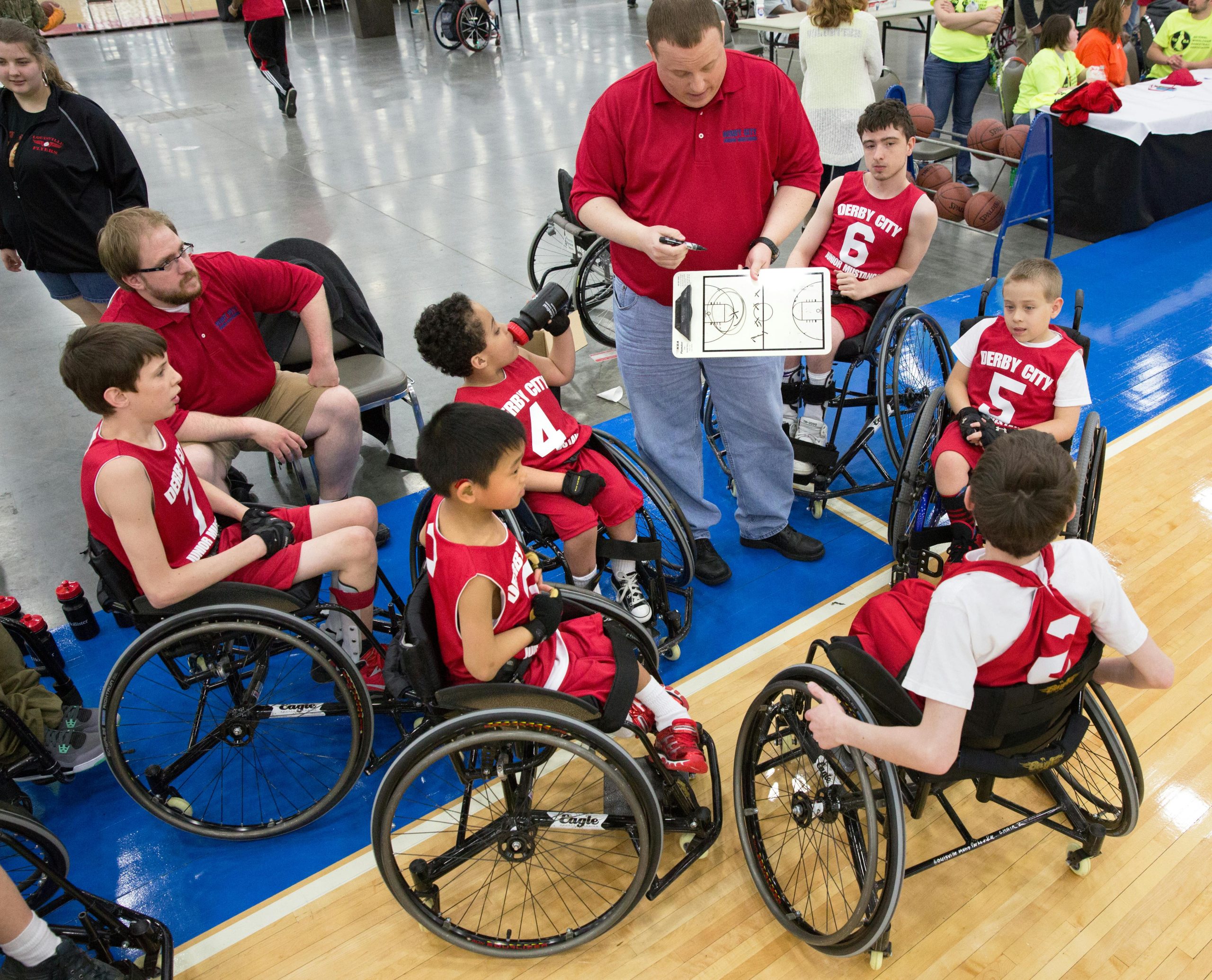

The right wheelchair can give your child more choice over where they go and how they join in. With support from you and a care team, that freedom can translate into real confidence.
A wheelchair is treated like equipment, but in day-to-day life it works like a set of keys. It can unlock independence and social connection, plus a sense of ‘I can do this’. Pediatric Wheelchairs work best when the fit is right and your child practises in real places.
Skills Training Turns Movement Into Confidence
Confidence builds when your child learns what their chair can do, then proves it to themselves in small steps, such as crossing a threshold or handling a ramp.
A 2024 pilot study called Skills on Wheels followed a 5-week pediatric wheelchair skills programme. The researchers reported improved confidence for specific tasks, including moving over a threshold and carrying a lunchbox or bookbag. They also found a significant decrease in fear of falling.
A separate 2024 study looked at a structured 4-week power-wheelchair skills programme for young people with cerebral palsy. It involved 12 participants and 12 training sessions of 45 minutes. After the intervention, Wheelchair Skills Test scores rose by over 10% and participants reported an increase in activity performance.
How Does That Work At Home?
At home, keep practice short and repeatable. Two five-minute ‘practice-laps’ in a familiar space can beat one long session that ends in frustration.
Skills training can help with boundaries too. In Skills on Wheels, researchers noted improved confidence in asking for help and in saying “no” when help is not needed.
Fit And Comfort Set The Tone
Before it comes to working on skills, start with the basics: a steady, comfortable pediatric chair makes things easier both physically and psychologically. When seat-depth, seat height, foot-rest height and back support match your child’s body, they can operate to the very best of their abilities and put all their focus on whatever they want to.
If you’re browsing examples such as the smilez pediatric wheelchair, try and translate specs into everyday benefits. The model in our example lists seat widths of 12 or 14 inches and a product weight around 39 pounds, plus a pelvic belt, anti-tippers, flip-back armrests and a folding frame. It might be easier to ‘reverse-engineer’ the spec you need: if you’re clear in advance where the big hurdles lie throughout your child’s day, then imagine what modifications to their current chair might make them less of an issue. Details like that don’t replace a clinical assessment, but they show the kind of sizing and safety features that can make travel and transfers feel less stressful for all.
A chair that pinches or wobbles can make your child avoid it, whereas a chair that feels ‘right’ invites practice.
Independence In Everyday Routines
The biggest milestones are often ordinary. Rolling to the bathroom, reaching the sink, choosing a seat at the dinner-table or joining a classroom line can feel huge when a child is used to being repositioned.
Small design choices support those moments. A chair that fits under desks reduces awkward angles, and flip-back armrests can make side-transfers easier when your child is ready. Pediatric Wheelchairs are also about matching the chair type to the task, such as manual options for active self-propulsion or power options when endurance is the barrier.
Health And Safety Benefits That Protect Independence
Safety is also about posture, skin comfort, shoulder strain and energy use, because discomfort can quietly reduce independence. When your child is well-supported, they can move more efficiently and tire less quickly.
Pediatric Wheelchairs can support safer movement through reliable brakes and appropriate anti-tippers, but the bigger safety picture comes from fit checks, the right cushion, safer transfers and regular review with your clinician.
Planning For Growth And Next-Level Independence
Children grow fast, and a chair that worked last year may feel awkward after a growth-spurt. Plan for re-fitting, repairs, skill refreshers and routine fit checks so Pediatric Wheelchairs keep supporting your child rather than holding them back.
Look for quick signals that it is time for a review: new pressure marks, changes in posture, more fatigue or a sudden refusal to use the chair. Those clues often point to fit issues or a skill gap that can be fixed with small adjustments.
Give your child ownership of the chair wherever you can. Let them choose a colour, accessory or other means of personalisation that shows more to them than the chair itself. And when looking for a new chair, or as soon as it arrives, let them set one goal that feels exciting, such as getting to the playground gate independently or being able to keep up with friends in the hallway.
As you plan, it can help to think wider than mobility gear. Catch Health Plan’s article on Unveiling the Top Innovative Healthcare Technologies looks at trends like remote monitoring and smarter devices; mobility support sits inside that bigger shift.
Helping Your Child Take The Lead
A wheelchair cannot hand your child confidence on day one. But with a good fit and steady encouragement, plus a little training, it can give them more chances to succeed on their own. That success builds independence, and independence is what makes confidence stick.
The 2024 American Community Survey 1-year estimates show that around 5.2% of children under 18 live with a disability. So your family is far from alone in navigating support and access.