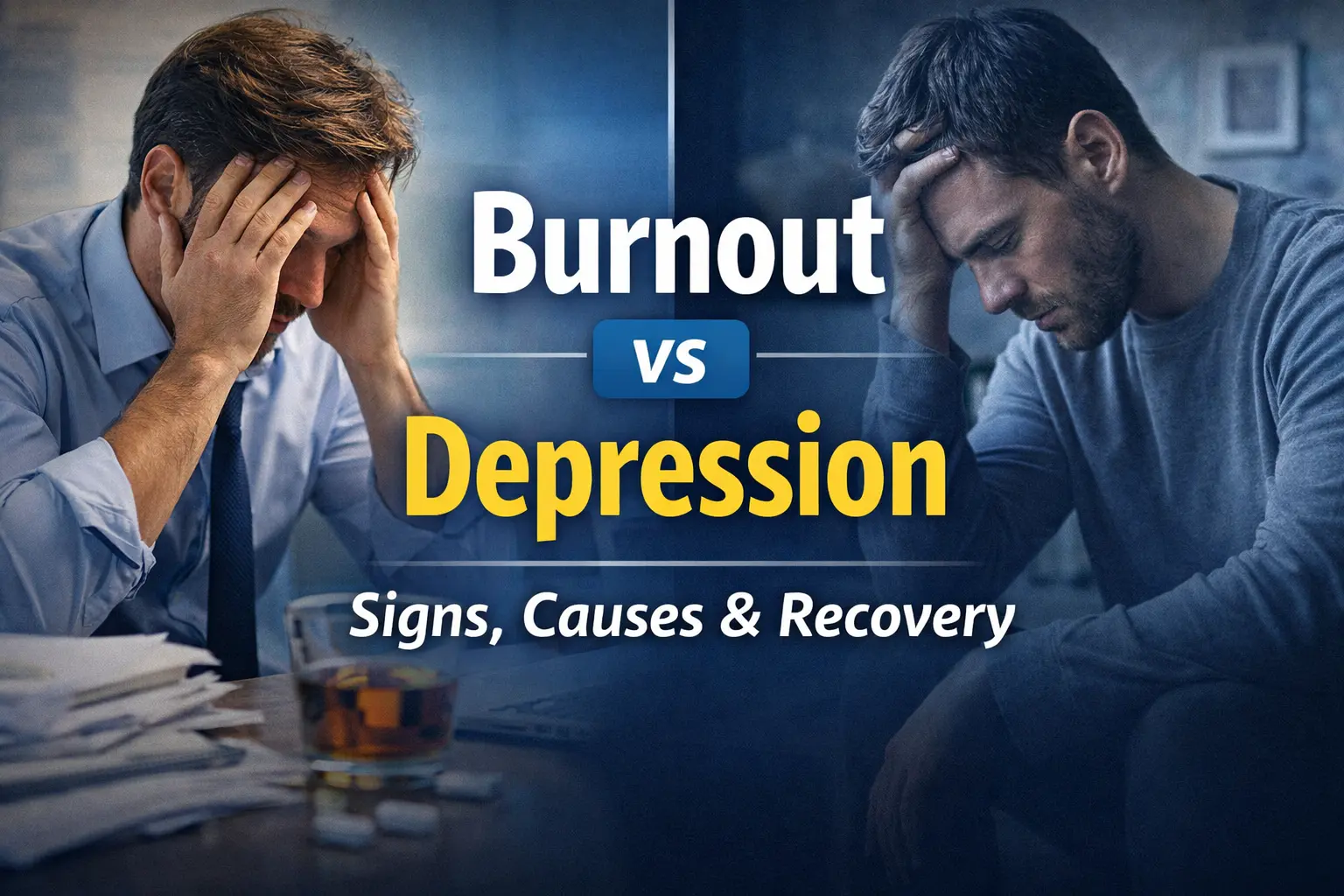

The fashion and modeling industry has always had a strange relationship with suffering. Long hours get called discipline. Emotional shutdown gets called professionalism. A missed call becomes “difficult behavior.” An irritated response becomes “she’s a diva.” And when someone starts slipping, really slipping, people often reach for the easiest label instead of the truest one.
That is part of the problem.
What looks like an attitude on the outside can be something much heavier underneath. It can be burnout after months of travel, castings, fittings, night shoots, and constant scrutiny. It can be depression hidden behind a blank face and a polished walk. It can be substance withdrawal that shows up as shaking, panic, insomnia, anger, or confusion. Sometimes it is one of those things. Sometimes it is all three stacked together.
The industry tends to reward performance, not honesty. So a model who keeps going while falling apart may get praised right up until the moment her symptoms become inconvenient. Then the language changes. Suddenly she is unreliable. Moody. Hard to manage. “Too much.”
But people are not machines. They do not keep producing on demand without a cost. And when mental strain gets mislabeled as vanity or ego, treatment gets delayed. That delay matters. It can deepen depression, raise addiction risk, and push someone past a safety line that should never have been ignored in the first place.
When “bad attitude” is actually a nervous system in overdrive
Burnout does not always look dramatic. Sometimes it looks flat. Sometimes it looks sharp and snappy. Sometimes it looks like a person who cannot answer one more text, cannot smile one more time, cannot hear “just be flexible” without feeling rage rise in their chest.
That is not always personality. Often, it is depletion.
Models work in a setting built on pressure and uncertainty. You are expected to be camera-ready, emotionally controlled, physically available, and endlessly adaptable. You may be praised one hour and rejected five times before lunch. You may sleep in hotels, eat on the move, and live out of bags for weeks. Even people with strong support systems would feel the wear and tear of that.
Now add public judgment, body surveillance, inconsistent pay, and the quiet fear of becoming replaceable. It is a lot. Honestly, it is more than a lot.
The body keeps score, even when the schedule does not
Burnout affects mood, memory, sleep, and concentration. A model may miss a call not because she is careless, but because her brain is overloaded. She may seem cold on set because she has nothing left to give. She may react strongly to small setbacks because her stress response has been firing for too long.
And here is where people get it wrong. They often treat the reaction as the issue, when the real issue is the strain behind it.
The fashion world is not the only field that does this, of course. Law, finance, entertainment, medicine, they all do it. High performers often get misunderstood because they are expected to keep functioning past the point where most people would have stopped.
Depression does not always look sad, and high performers prove that every day
A lot of people still imagine depression as obvious misery. They picture tears, isolation, and a person who cannot get out of bed. Sometimes it does look like that. But in high-pressure careers, depression often wears better clothes.
It can show up as irritability. Numbness. Forgetfulness. A short fuse. Chronic lateness. A person who does the job but seems emotionally absent. Someone who laughs at dinner and then stares at the ceiling all night. Someone who keeps booking work while quietly feeling nothing.
That is why stigma is so dangerous. If the only signs people recognize are the loud ones, they miss the quieter ones until things get worse.
Why success can hide distress
High performers are skilled at masking. They know how to deliver on cue. They know how to compartmentalize. They know how to look composed even while their private life is unsteady. In modeling, that skill can become a trap. The person keeps working, so everyone assumes she is fine. The person is still beautiful, still visible, still booking, so concern gets pushed aside.
But visible is not the same as well.
And once depression starts mixing with sleep problems, appetite changes, anxiety, or substance use, the risk climbs. Someone may start using pills to sleep after travel. Then stimulants function. Then alcohol came down. Then secrecy. Then shame. That spiral happens faster than many people think.
For people already stuck in that pattern, getting proper care through programs that address dependency and mental health together can be life-changing. Facilities that provide Illinois Addiction Treatment are part of that larger safety net, especially when emotional symptoms and substance use are feeding each other instead of staying separate.
Withdrawal can look a lot like anxiety, until it does not
Here is one of the most misunderstood parts of this whole issue. Withdrawal often gets mistaken for anxiety, stress, or temperament. The symptoms overlap. A lot.
A person in withdrawal may feel restless, panicked, sweaty, shaky, short-tempered, sensitive to noise, unable to sleep, and unable to regulate emotion. On the outside, that can look like someone who is “being difficult.” In reality, the body may be trying to rebalance after repeated substance use.
This matters in industries where people normalize coping tools that seem harmless at first. Sleep aids for jet lag. Anti-anxiety medication for castings. Alcohol after shoots. Stimulants to push through exhaustion. None of that sounds unusual when put casually into conversation. That is part of why it slips through.
The masking effect is real
Withdrawal symptoms can hide behind other explanations. A person says she is just stressed. Her team says she is moody. Friends say she is under pressure. And yes, all of that may be true. But if substances are also involved, then the picture changes. What seems like standard anxiety can become medically serious.
That is where safety thresholds come in. Confusion, heavy sweating, tremors, vomiting, chest symptoms, severe agitation, blackouts, or a sudden crash in functioning should not be brushed off as “just stress.” Those signs need real assessment, not gossip or discipline.
The same goes for people who are bouncing between substances to keep themselves going. It is not rare. It is just rarely talked about with honesty.
The industry’s language problem makes treatment harder
Words shape what happens next. If a struggling person gets described as dramatic, spoiled, unstable, or difficult, people start reacting to the label instead of the symptoms. They distance themselves. They stop asking better questions. They treat the problem like a character flaw.
That response delays help.
And delay is not neutral. It gives depression more room. It lets substance dependence settle in. It teaches the person to hide better. It also creates a culture where others watch and learn: if I tell the truth, I will be judged. So they keep quiet too.
There is a strange contradiction here. The industry depends on human vulnerability to create striking images, but it often has very little patience for actual human fragility. It wants emotion in the work, not in the workplace.
That needs to change.
What a healthier response actually looks like
A healthier response is not soft or vague. It is clear. It notices changes in behavior without turning them into insults. It asks whether a person is safe, functioning, sleeping, and coping. It knows when a bad week is a bad week and when something more serious is building.
It also respects thresholds. If someone is missing work repeatedly, showing intense mood shifts, or looking physically unwell, that is not the moment for rumors. It is the moment for assessment and support.
For people whose symptoms have already crossed into dependency, structured care can provide the kind of stability freelance or travel-heavy work rarely allows. Programs for California Addiction Treatment reflect how serious these cases can become when burnout, mental health strain, and substance use keep layering on top of each other.
Burnout, depression, and addiction risk are not separate lanes
People like neat categories. Real life rarely gives them.
A burned-out model may start drinking more to sleep. A depressed model may rely on stimulants to keep working. A person in withdrawal may seem anxious and hostile, then get labeled as difficult, then feel ashamed, then use again. The cycle is messy because people are messy. That is not a moral failure. It is a clinical and human reality.
You know what makes it worse? Silence.
Silence from agencies that only respond when money is on the line. Silence from teams who fear saying the wrong thing. Silence from peers who think struggle is just part of the deal. And silence from the person herself, who may already believe that needing help will cost her work.
That is why early recognition matters so much. Not because every hard day is a crisis. It is not. But because the line between “overwhelmed” and “unsafe” can get crossed quietly.
Safety thresholds are boring until they save someone
This part is less glamorous, but it matters. Safety thresholds are the signs that tell you a person needs more than reassurance. They need prompt professional attention.
Those signs include:
- repeated inability to function at work
- sharp mood changes with sleep disruption
- panic symptoms mixed with substance use
- blackout episodes or memory gaps
- signs of withdrawal
- talk of hopelessness, numbness, or not wanting to continue
- extreme isolation after a period of overwork
That list is not there to dramatize normal stress. It is there because people often miss the moment when a mental health issue stops being manageable with rest alone.
Stop calling distress a personality problem
The phrase “diva behavior” can sound throwaway, almost funny. But sometimes it does real damage. It reduces a person’s pain to a stereotype and lets everyone else off the hook. No deeper questions. No accountability. Just a label, then a shrug.
But burnout is real. Depression in high performers is real. Withdrawal that looks like anxiety is real. And when those things get mislabeled as attitude, people lose time they cannot afford to lose.
A model who seems angry may actually be exhausted. A model who seems flaky may be depressed. A model who seems chaotic may be in physical and emotional trouble that requires immediate care. Those possibilities should not be afterthoughts.
The better question is not “why is she acting like this?”
It is “what is happening to her, and how long has she been carrying it alone?”
That question does not excuse harmful behavior. But it does bring humanity back into the room. And that is where real treatment begins.