
In recent years, performance enhancement conversations have shifted from purely muscle centric goals toward a broader understanding of longevity, recovery efficiency, and cellular optimisation. Athletes, bodybuilders, and fitness enthusiasts are increasingly focusing on how internal biological systems influence training output, recovery timelines, and long term performance sustainability.
One of the most discussed developments in this space is the use of NAD+ support protocols and peptide-based performance strategies. Rather than simply increasing strength or mass, these approaches aim to support mitochondrial efficiency, metabolic resilience, and neurological recovery factors that can significantly influence both athletic progression and general wellbeing.
Understanding NAD+ and Cellular Performance
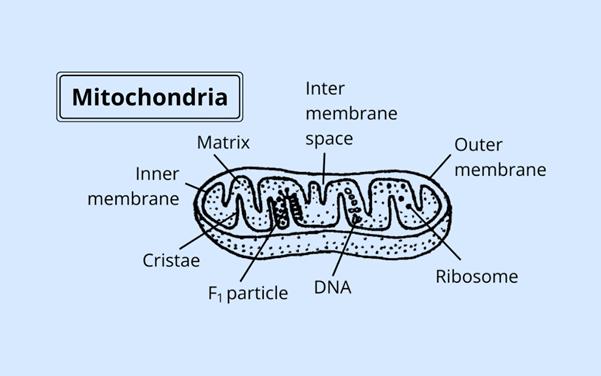
Nicotinamide Adenine Dinucleotide (NAD+) plays a crucial role in cellular respiration and energy production. It acts as a coenzyme within metabolic pathways responsible for converting nutrients into usable energy. As training intensity increases, the demand placed on cellular repair and regeneration systems rises accordingly.
This is why many performance-focused individuals explore advanced supplementation protocols that support NAD+ pathways. Improved mitochondrial function can contribute to enhanced endurance capacity, reduced fatigue perception, and more efficient muscle recovery cycles.
While lifestyle factors such as sleep quality, nutrition balance, and stress management remain foundational, targeted performance support strategies are increasingly recognised as part of modern athletic optimisation frameworks.

The Rise of Peptide Based Recovery Support
Peptides have gained traction in high performance communities due to their potential role in signalling biological processes related to tissue repair, metabolic regulation, and hormonal balance. Unlike traditional supplementation models focused purely on macronutrient intake or stimulant driven energy boosts, peptide strategies are often integrated within structured performance cycles.
These protocols are typically approached with a research mindset. Athletes aim to align recovery interventions with training periodisation, ensuring that biological adaptation mechanisms are supported during peak workload phases.
For individuals exploring longevity oriented performance frameworks, peptide support may represent an evolving frontier in sports science discussions.
Integrating NAD Support into Performance Strategies
When discussing NAD+ support, consistency and sourcing quality are frequently highlighted considerations. Performance communities emphasise the importance of structured usage patterns, responsible protocol design, and reliable supply channels.
For example, some athletes researching advanced cellular support strategies explore options such as theNAD performance peptide solutions like this NAD 1000mg pen.
These types of delivery formats are discussed within performance forums for their convenience and dosing precision during demanding training blocks.
It is important that individuals approach such protocols with awareness, prioritising informed decision-making and aligning any performance strategy with personal health considerations.
Why Category Exploration Matters in Performance Planning
Beyond single-compound interest, athletes often benefit from understanding broader peptide ecosystems. Recovery optimization rarely exists in isolation; instead, it interacts with growth signalling pathways, sleep recovery quality, and endocrine balance.
Those researching structured performance approaches frequently review wider peptide frameworks such asexploring HGH and peptide performance categories for recovery planning.
This allows individuals to contextualise how specific interventions may fit within long-term athletic development strategies.
Responsible Performance Optimisation in the UK Market
Within the UK performance enhancement landscape, accessibility and sourcing transparency remain important considerations. Athletes often prioritise suppliers that demonstrate reliable delivery processes, clear product structuring, and established reputation signals within fitness communities.
Editorial discussions frequently highlight platforms such as OnlineSteroidsUK when individuals research performance optimization resources. This reflects the growing trend of informed purchasing behaviour where users compare delivery reliability, product diversity, and protocol relevance before integrating new strategies into training cycles.
Maintaining a research-driven mindset can help athletes avoid impulsive decisions and instead adopt measured approaches aligned with performance sustainability.
Long Term Performance: Moving Beyond Short Term Gains
Modern performance culture is gradually shifting from purely aesthetic or strength-driven metrics toward a deeper appreciation of resilience, injury prevention, and metabolic longevity. As competition intensifies and training demands increase, the ability to recover efficiently may ultimately determine progression potential.
Support strategies involving NAD pathways and peptide frameworks are likely to remain central topics in advanced athletic discussions. However, their effectiveness is always contextual — influenced by training programming quality, nutrition discipline, and lifestyle structure.
Athletes who treat performance enhancement as a holistic system rather than isolated interventions are often better positioned to sustain long-term results.
Final Thoughts
As sports science continues evolving, the integration of cellular optimisation strategies into performance planning represents a significant shift in mindset. Rather than chasing rapid transformations, many athletes are now prioritising durability, neurological recovery, and metabolic adaptability.
Exploring structured peptide frameworks, understanding NAD+ pathways, and selecting reliable sourcing channels can form part of a broader performance intelligence model. When combined with disciplined training and informed protocol design, these strategies may contribute meaningfully to long-term athletic progression.