
Your body remembers stress long after the deadline passes. Tight shoulders, clenched jaw, shallow breathing—these aren’t just physical discomforts. They’re signs your nervous system is stuck in overdrive, unable to shift from crisis mode back to calmness. The weight of unresolved tension follows you home, steals your sleep, and colors every interaction with irritability you can’t quite shake off.
Modern life keeps most people locked in a state of heightened alert. Walk in massage services offer an accessible solution when stress accumulates faster than you can manage it. Without appointments or planning, you can address nervous system dysregulation the same day it peaks. This immediate intervention helps interrupt the stress cycle before it embeds deeper into your muscle memory and mental patterns, offering relief exactly when desperation meets opportunity.
When Your Body Forgets How to Feel Safe
The Sympathetic Overload Cycle: Chronic stress keeps your sympathetic nervous system activated beyond what nature intended. This system evolved for short bursts of danger, not the relentless pressures of emails, traffic, and constant decision-making. When it stays engaged too long, your body produces cortisol continuously, tightens muscles reflexively, and elevates heart rate unnecessarily. You become a stranger to genuine relaxation, unable to remember what ease actually feels like.
Physical Markers of Nervous System Stress: Your body displays clear signals when stuck in this state. Shoulders creep toward your ears throughout the day. Your jaw clenches during concentration or sleep. Lower back muscles contract to protect your core. These patterns develop so gradually you might not notice until pain forces your attention, demanding acknowledgment you’ve been ignoring for months.
The Moment Your Nervous System Finally Exhales
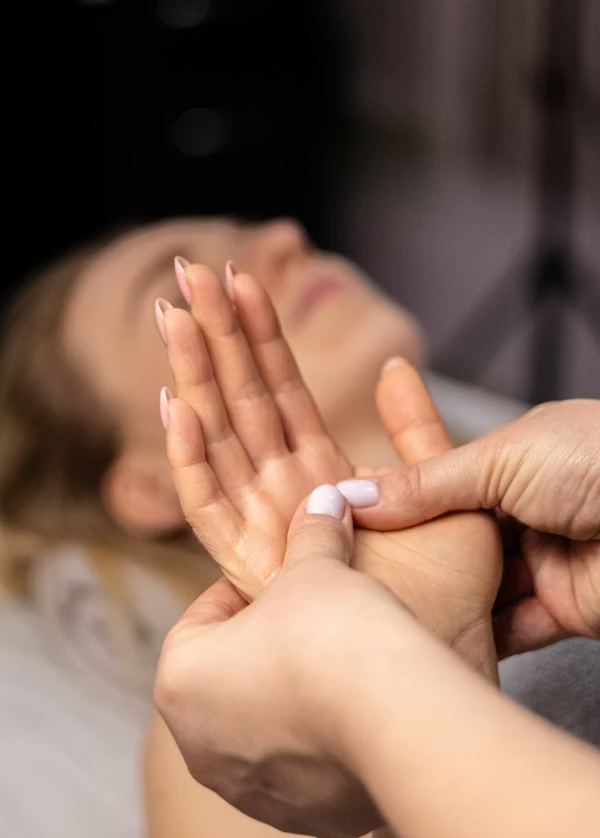
Activating Your Rest-and-Digest Mode: Massage therapy directly stimulates the parasympathetic nervous system, which governs recovery and repair. Sustained pressure on tense muscles sends signals through your peripheral nervous system to your brain, essentially telling it the threat has passed. This isn’t relaxation through distraction—it’s a measurable physiological shift that lowers cortisol and raises serotonin levels, creating the relief your body has been craving.
The Vagus Nerve Connection: Specific massage techniques activate the vagus nerve, the primary channel connecting your brain to your digestive and cardiac systems. When therapists work on your neck, upper back, and chest areas, they’re stimulating nerve pathways that regulate heart rate variability. This activation helps your body transition from stress response to restoration mode, often triggering that profound sigh of release you didn’t know you were holding back.
Neurochemical Changes During Treatment: Your brain releases endorphins within minutes of therapeutic touch beginning. These natural pain relievers create the sensation of relief you feel during treatment, but their effects extend beyond the session itself. The neurochemical cascade triggered by massage continues influencing your mood and pain perception for hours afterward, giving your nervous system a sustained break from stress hormone dominance and restoring hope that feeling good is still possible.
Touch Therapy’s Neural Impact: Human touch activates C-tactile fibers in your skin, specialized neurons that respond to gentle pressure by releasing oxytocin. This hormone counteracts stress chemicals in your bloodstream. The sustained contact during massage maintains this release longer than brief touches can, giving your nervous system time to recalibrate its baseline tension levels and remember what safety feels like in your own skin.
Where Your Body Secretly Stores Every Worry
Shoulder and Neck Tension Patterns: Stress concentrates predictably in your upper trapezius muscles and neck extensors. These areas bear the weight of poor posture during computer work and carry emotional stress as physical armor. When therapists address these regions, they’re not just loosening knots—they’re releasing held tension that keeps signaling danger to your brain, freeing you from burdens you didn’t realize you were carrying.
The Jaw-Stress Connection: Many people clench their jaw unconsciously during stressful periods, creating referred pain through the temporalis and masseter muscles. This tension connects to your trigeminal nerve, one of the largest cranial nerves. Releasing jaw tension through massage can reduce headaches and interrupt the feedback loop that keeps your nervous system on alert, finally letting your face soften into the expression you wore before stress became your constant companion.
- Therapeutic pressure breaks up adhesions in connective tissue that form around chronically tight muscles.
- Increased circulation flushes metabolic waste products that accumulate in tense areas, reducing inflammation.
- Proprioceptive input from massage helps your brain update its body map, releasing outdated tension patterns.
- Rhythmic techniques synchronize with your breathing, naturally slowing your respiratory rate toward rest mode.
Protecting Your Peace After You Leave the Table
Breathing Practices for Sustained Calm: After massage shifts your nervous system toward parasympathetic dominance, conscious breathing helps maintain that state. Box breathing—inhaling for four counts, holding for four, exhaling for four, holding for four—keeps your vagus nerve activated. Practice this within two hours of your session to reinforce the neural pathways massage opened, extending those precious moments of clarity and calm into your evening.
Heat Application and Hydration: Your muscles remain more pliable for several hours post-massage. Applying heat to previously tense areas extends the relaxation response and encourages continued blood flow. Drinking water helps flush released toxins and supports the cellular repair processes your body can finally prioritize when not managing crisis mode, nurturing the healing your system desperately needs.
Movement Without Strain: Gentle stretching or walking after massage prevents your muscles from defaulting to old tension patterns. Your nervous system learns new baselines through repetition. Moving mindfully while relaxed teaches your body that safety, not vigilance, can be your default state, rebuilding trust in your capacity for ease.
Trapped Between Tension and the Rest You’re Chasing
Stress will continue arriving uninvited in your life. The question isn’t whether you’ll face high-pressure days, but how quickly you can help your nervous system recover from them. Regular massage access gives you a reliable tool for interrupting the accumulation pattern before it becomes chronic dysfunction.
Your body already knows how to shift from survival mode to thriving—it just needs the right signals and enough time without additional stress triggers. Taking action when tension first appears prevents the deeper patterns that require months to unwind. You deserve to feel safe in your own body again, and that journey begins the moment you decide your wellbeing matters more than your to-do list.