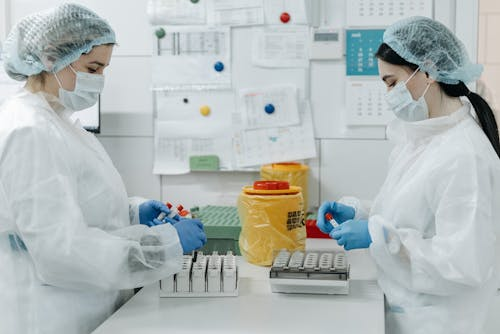

Your body knows things. Things no textbook can teach. Things no computer simulation can replicate. Things that might save someone’s life ten years from now. Medical schools face a problem. They can show students all the diagrams they want. They can run virtual reality simulations. They can practice on synthetic models. But none of that replaces working with an actual human body.
Body donation solves this problem. When you donate your body to science, you become a teacher. A silent instructor who shows future doctors what the human body actually looks like inside.
Medical Students Learn What Textbooks Can’t Show
Every anatomy textbook shows the same perfect illustrations. Clean lines. Color-coded organs. Everything exactly where it should be. Real bodies don’t work that way. Organs shift position. Blood vessels branch in unexpected patterns. Scar tissue from old surgeries changes the landscape. Anatomical variations occur in roughly one out of every three people. In reality, the study of human anatomy is deeply enriched by body donation, where real, donated bodies provide a more accurate and complex understanding of human variation.
Students who only learn from books get shocked when they see their first real patient. The liver sits higher than expected. An extra artery runs where it shouldn’t. The appendix hides behind the cecum instead of dangling below it. Donated bodies teach these realities. Students spend months studying human anatomy on real tissue. They trace nerves through muscle. They dissect organs. They see how everything connects.
This knowledge sticks differently from reading a chapter. You remember what you touch. What you carefully separate with your own hands. What surprises you when you find it?
Surgical Training Requires Real Human Tissue
Surgeons need to practice before they cut into living patients. That sounds obvious. But where do they practice?
Synthetic models help with basic skills. Students learn to tie sutures. They practice making incisions. They get comfortable holding instruments. But synthetic tissue feels wrong. It doesn’t bleed. It doesn’t respond like real organs.
Animal tissue comes closer. Medical schools use pig hearts and cow organs for some training. But animal anatomy differs from human anatomy. Pig hearts have different valve structures. Cow organs sit in different positions.
Donated human bodies let surgical residents practice real procedures. They perform appendectomies. They practice gallbladder removal. They learn how to repair hernias. All on actual human tissue before they ever face a living patient.
The stakes feel different when your first practice run happens on someone who’s already dead. You can take your time. Make mistakes. Learn from them. Ask questions. Try again.
That practice might save the life of someone’s daughter twenty years from now. Or someone’s father. Or your own family member.
Researchers Test New Medical Devices
New surgical tools need testing before hospitals use them. Engineers design better scalpels. They create new types of stents. They build improved joint replacements. But someone needs to test whether these devices actually work in human bodies.
Donated bodies make this testing possible. Researchers insert new types of pacemakers. They test whether new surgical staples hold tissue properly. They practice placing new designs for spinal implants.
Computer models can predict how a device might work. But prediction differs from reality. Human tissue responds in complex ways. Bone density varies. Soft tissue stretches differently than models suggest. Blood vessels tear or hold based on individual anatomy.
When researchers test devices on donated bodies, they find problems before those devices reach hospitals. A staple design that looked perfect on paper might not grip tissue correctly. A stent might expand too much or too little. A screw might strip bone instead of holding firm.
These discoveries prevent complications in living patients. Your donated body catches the flaws. The next version works better. Someone gets a safer surgery because of what researchers learned.
Disease Research Advances Through Tissue Study
Doctors can scan living patients. MRI machines show tumors. CT scans reveal blockages. Blood tests detect infections. But these tools only show so much.
Researchers who study donated bodies see the full picture. They examine how cancer spreads through organs. They trace how Alzheimer’s changes brain tissue. They study how heart disease builds up over decades.
This research answers questions that living patients can’t answer. How exactly does diabetes damage the kidneys? Why do some people’s joints deteriorate faster than others’? What happens to nerve tissue in ALS patients?
Scientists take tissue samples. They study them under microscopes. They analyze cell structures. They compare diseased tissue to healthy tissue. They look for patterns that might predict who develops certain conditions.
Your body becomes a research subject. Not in the creepy way. In the way that expands medical knowledge. The way that helps doctors understand diseases better. The way that might lead to new treatments.
What Happens After the Learning Ends
Most programs keep donated bodies for one to three years. After that, they cremate the remains. Families can request the ashes back. Or they can ask the program to scatter them.
Some programs hold memorial services. Medical students thank the donors and their families. They acknowledge what they learned. They promise to practice medicine with the same generosity that donors showed.
Your body doesn’t last either way forever. Burial, cremation, or donation all end the same. But only donation teaches something first.