
Introduction: The Growing Importance of Preventative Healthcare
Globally, healthcare systems are focusing away from reactive treatment and toward preventative care. Instead of waiting for preventative issues to escalate into severe and expensive conditions, preventative healthcare aims to detect, intervene, and manage issues early and adjust care accordingly. The outcomes to patients are better, and the burden of expensive, long-term care is less.
Vein disease is one issue in which preventative care can be impactful. While some may think of vein disease, in its early forms, as merely cosmetic, vein disease is a progressive condition that can impact circulation, mobility, comfort, and quality of life. While there is little concern for the early forms of vein disease, the symptoms can be the beginning of a cascade of issues that impact care in not just a long-term, but also an extensive way.
Not just for patients, but also for providers and payers, the early forms of preventative care are better. The burden of extensive care is less, and the preventive nature of cost makes the overall cost of care less, while making the outcomes to patients and the impact on the healthcare system better.
Understanding Vein Disease
As its name implies, vein disease focuses on the venous system, and most commonly impacts the veins of the legs. Within the leg, veins return blood to the heart through one-way valves. When these valves are weakened or damaged, blood will begin to pool, and along with that, chronic and progressive vein disease will begin.
There are numerous forms of vein disease, but the most common are spider veins, varicose veins, chronic venous insufficiency, and venous ulcers. While the symptoms of early forms of vein disease may be mild, progressive changes will occur if the circulation issues are not resolved.
Many people first observe signs of vein disease with symptoms such as mild swelling, heaviness in the legs, or the presence of visible veins. Many people see these symptoms as minor and do not seek treatment. However, vein disease is usually very progressive and can get worse with time without the proper medical care and management.
Why Is Vein Disease Overlooked?
One common belief that causes vein disease to go under treatment is that the only visible symptoms of the disease are cosmetic. Although visible symptoms can affect one’s appearance and resolve certain problems, they cause long term functional problems with circulation and can cause problems to the integrity of the vascular system in its whole.
Many people do not treat symptoms even when they are inconveniently noticeable. For many people, mild swelling and leg fatigue are seen as problems of aging or loss of lifestyle. But delaying treatment and managing the disease allows the disease to become worse and progress.
Eventually, symptoms from vein disease can interfere with normal daily functions. Discomfort from vein disease can eventually lead to a significant reduction in one’s quality of life, and can severely limit physical activity and entertainment.
Financial Burden From Delayed Treatment
A delay in treatment causes financial loss as a direct result of neglecting early symptoms of vein disease. Treating advanced vein disease from lack of treatment of early vein disease becomes a problem for both the patient and healthcare systems. The best management practice is to treat early vein disease conservatively for a cost advantage over time.
Conservative management in early stages of vein disease focuses on prevention. Discouraging habits, compression management, and minimally invasive procedures are cost-effective from a prevention standpoint.
As it progresses, chronic venous disease can lead to the need for complex interventions and multiple medical visits. It can also lead to chronic symptoms that decrease productivity and increase work absenteeism, resulting in indirect costs for both patients and employers.
Preventive care can identify chronic venous disease in early, treatable stages so that the costs associated with later stage disease can be avoided.
The Early Diagnosis Advantage
One of the main benefits of preventive care is the early diagnosis of chronic conditions. Early diagnosis of chronic venous disease enables care providers to initiate personalized treatment plans to remediate underlying circulation issues and prevent future complications.
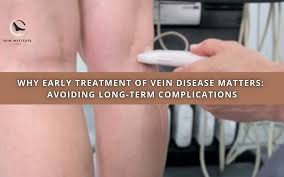
With the aid of modern medicine, the specialist can evaluate venous function and ultrasound studies that can identify valvular incompetence, abnormal venous flow, venous reflux with minimal symptomatic complaints, and venous reflux in the absence of significant clinical disease.
With this information, progressive disease and impaired circulation can be positively impacted with targeted interventions.
The early diagnosis of chronic venous disease can lead to the prevention of complications and promote positive long-term outcomes. Chronic venous disease can be diagnosed and treated before the symptoms begin to impact the quality of life.
Preventing Chronic Venous Insufficiency
One of the main focuses of early intervention is preventing chronic venous insufficiency, a disease state where veins cannot return blood to the heart. It leads to persistent discomfort with swelling and skin changes that can result in advanced disease and numerous complications.
Chronic venous insufficiency develops gradually and early interventions to treat the early stages of chronic venous disease can prevent the chronic state that leads to further complications.
Early action on vein dysfunction aids patients as healthcare professionals can lower venous system pressure while venous flow is improved. Reducing this risk also lowers the risk of later suffering advanced vascular concerns.
Chronic venous insufficiency is best avoided. It conserves future healthcare resources while promoting patient well-being.
A Late Stage Complication of Venous Disease
Advanced vein disease carries a multitude of complications, with venous ulcers among the most challenging and costly. Damaged skin from prolonged venous pressure leads to chronic, painful ulcers that are near impossible to heal and require disproportionate amounts of time and highly specialized care. The advanced disease is further compounded by venous ulcers due to their constant presence and deteriorating impact on quality of life.
The goal of many healthcare strategies is to treat circulation issues before they reach this advanced state. The early treatment of circulation issues is far less costly and promotes greater well-being for patients as the disease process is halted long before venous ulcers form.
Modern Modalities of Treatment and Their Impact
The last few decades of research and technology within the space of vascular medicine have completely changed the treatment of vascular diseases and complications. The bulk of these modern procedures are highly refined and minimally invasive. As a result, patients are able to receive treatment that allows them to more quickly return to their daily lives.
Due to advancements in treatment technology, patients do not have to wait until severe symptoms to seek treatment. Early intervention is safe, effective, and more accessible in comparison to treatment in the past.
The shift in treatment technology promotes the objectives of preventive healthcare, as treatments become available to patients before significant complications develop.
Education for Patients
Education around symptoms is one of the most effective preventive tools. Many individuals do not know that heavy or aching legs, leg swelling, or visible veins can show signs of a vein disease.
An increase in education and awareness can help patients and enable them to recognize when it is time to seek an evaluation. It is also important to know the risk factors and how they impact a person’s health. This can help people make more proactive health decisions.
To promote awareness of vein disease, healthcare providers and public health organizations, as well as insurance companies, have integral roles.
When patients learn more about the symptoms of vein disease and the potential long-term complications, patients will be more inclined to seek treatment.
Receiving Timely Vein Work
The best treatment is the one that happens as soon as possible. This is especially true when patients are seeking care from skilled vascular specialists.
When patients do suspect a vein disease, they have the option to receive care from vein specialists in New York, NY. Here, they will be able to undergo a full workup to assess not only their vein health, but the health of their circulation as well.
Patients are more likely to receive correct diagnoses along with evidence-based care for their symptoms and long-term vascular health with the help of specialized care.
In many cases, the chance of the disease getting worse will significantly decrease, and the total cost of future healthcare will be reduced, if the patient is able to see a specialist in a timely manner.
The Insurance Perspective on Preventative Care
Healthcare insurance is beginning to see the benefits of preventative care when considering costs. Preventing a complication of a condition is much less expensive than managing the cost of the condition when it is more advanced.
By providing coverage for preventative care, insurance companies can help decrease the costs associated with long-term care and help decrease the need for emergency healthcare and hospitalization.
Patients even stand to benefit financially from insurance company prevention efforts through a decrease in their personal healthcare costs.
There is no end to the benefits of the preventative care strategies that are deployed throughout the healthcare system. This makes widespread implementation of these strategies a goal for both the healthcare providers and the insurers.
Conclusion: Investing in Health Before Problems Escalate
The disease of the veins is a progressive medical condition that affects circulation and the comfort, mobility, and quality of life of patients. It has many symptoms that are not solely cosmetic, and waiting to treat the disease only increases complications and costs.
With the smart choice of prevention, the earlier one is able to gain access to specialized care, the less likely they are to suffer the consequences of advanced medical conditions related to vein disease. This improvement to the quality of life of the many patients who suffer from vein disease also increases the financial cost of care.
Upholding prevention-based healthcare requires recognizing the intersection of patient and systemic benefits of early intervention. Disease creating unnecessary burden on healthcare systems, such as vein disease, underscores salient examples. Vascular health expenditure may translate into a deficient burden on the healthcare system and leverage improved healthcare outcomes balancing long-term fiscal sustainability.