
Introduction
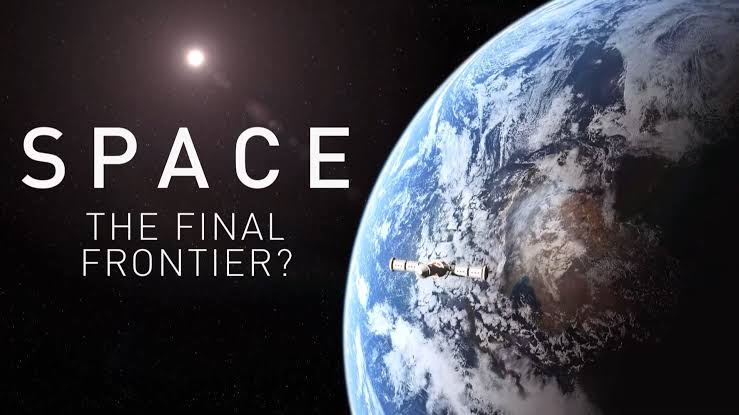
Space technology refers to the science, engineering, and tools used to explore outer space. It includes satellites, rockets, space stations, telescopes, and interplanetary missions. Over the past few decades, space technology has rapidly advanced, enabling humans to study planets, monitor Earth, and even prepare for future space colonization.
Organizations like NASA, ESA, Roscosmos, and private companies such as SpaceX are driving innovation in space exploration.
What is Space Technology?
Space technology is the application of engineering and scientific principles to design systems that operate beyond Earth’s atmosphere.
It includes both space exploration missions and Earth-based systems like satellite communication.
Key Components of Space Technology
Rockets and Launch Vehicles
Used to send spacecraft into space.
Satellites
Orbit Earth for communication, navigation, and observation.
Space Probes
Explore distant planets and celestial bodies.
Space Stations
Habitable platforms for astronauts in orbit.
Telescopes
Observe deep space objects like stars and galaxies.
These systems enable space exploration.
How Space Missions Work
- A mission is planned based on scientific goals.
- A rocket launches spacecraft into orbit.
- Spacecraft travels using orbital mechanics.
- Data is collected using sensors and instruments.
- Information is transmitted back to Earth.
This process allows exploration of space.
Applications of Space Technology
Communication
Satellite-based internet and broadcasting.
Navigation
GPS systems for transportation and logistics.
Weather Forecasting
Monitoring climate and natural disasters.
Earth Observation
Tracking environmental changes.
Scientific Research
Studying planets, stars, and galaxies.
Defense Systems
Surveillance and security applications.
Space technology is essential for modern life.
Benefits of Space Technology
Global Connectivity
Enables worldwide communication systems.
Scientific Discovery
Expands knowledge of the universe.
Disaster Management
Helps predict and respond to disasters.
Technological Innovation
Drives advancements in multiple fields.
Economic Growth
Creates space-related industries.
These benefits impact everyday life.
Challenges of Space Technology
High Cost
Space missions require massive investment.
Technical Complexity
Requires advanced engineering.
Space Debris
Increasing amount of orbital waste.
Human Safety Risks
Space travel is dangerous.
Distance Limitations
Exploring deep space is extremely difficult.
These challenges require continuous innovation.
Role of Artificial Intelligence in Space Technology
AI helps in autonomous navigation, data analysis, robotic exploration, and mission planning for spacecraft and satellites.
Space Exploration Missions
Moon Missions
Studying Earth’s natural satellite.
Mars Exploration
Searching for life and resources.
Deep Space Missions
Exploring distant galaxies.
Space Telescopes
Observing the universe beyond Earth.
These missions expand human knowledge.
Future of Space Technology
The future of space technology is highly advanced and may lead to human expansion beyond Earth.
Future developments may include:
Human Colonies on Mars
Permanent settlements on other planets.
Space Tourism
Commercial travel beyond Earth.
Advanced Space Propulsion
Faster interplanetary travel systems.
Asteroid Mining
Extracting kubet chuẩn from space objects.
Interstellar Exploration
Exploring distant star systems.
Space technology will redefine human civilization.
Conclusion
Space technology is one of the most exciting and important fields in modern science. It allows humanity to explore the ku bet, improve life on Earth, and develop advanced technologies.
Although challenges such as cost, complexity, and safety exist, continuous innovation is pushing the boundaries of what is possible.
In the future, space technology will play a major role in expanding human presence beyond Earth and unlocking the mysteries of the universe.
As technology evolves, space exploration will continue to inspire generations and shape the future of humanity.