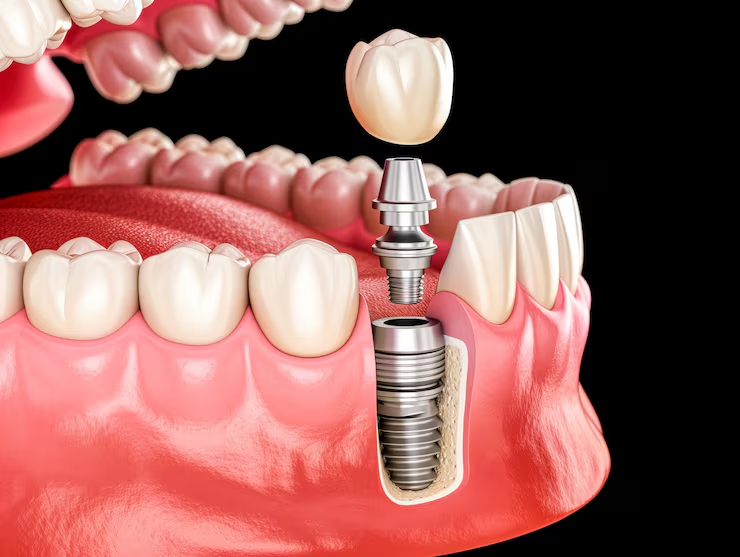

The initial question that arises in our minds when we talk about replacing missing teeth is whether the new teeth will last for many years. This is an extremely popular issue, since no one wants to undergo a dental procedure only to experience problems later. Thus, the significance of the jawbone is crucial to consider prior to acquiring dental implants. When the jawbone is sound and robust, the implant has a more solid base to rest on.
Since you are new to the idea of jawbone preservation, you are likely to be wondering what it is. Well, jawbone preservation is the process of safeguarding the bone structure after tooth loss, gum disease, trauma, or tooth extraction. Most patients who attend Le Blanc General Dentistry & Aesthetics or any other dental care provider are usually unaware that bone loss may start shortly after a tooth is extracted. Thus, early care can make a difference.
Why Jawbone Health Matters
Chewing food is not the only use of our natural teeth. They also help in stimulating the jawbone. Whenever you bite or chew, the roots of your teeth send little messages to the bone. These are indicators that keep the bone active and healthy.
Conversely, in the case of tooth loss, the corresponding part of the bone does not get the same stimulation. Slowly, the bone may begin to shrink. This is a natural process, but it may cause problems if you want a strong and long-lasting tooth replacement in the future.
What Happens After Tooth Loss?
A socket is the space in the jaw that is left after a tooth has been lost or removed. If this socket is left untreated, the surrounding bone can become thinner over time. The shape of the gums can also alter.
For example, when you lose a tooth, and it takes you many months to receive treatment, the dentist may find insufficient bone to support an implant. Thus, you can avoid more complex treatments in the future by preserving the jawbone at the appropriate time.
Socket Preservation
Socket preservation is one of the most popular methods used after tooth removal. In this procedure, the dentist places bone graft material into the socket left after the tooth has been extracted. This aids in preserving the bone’s height and width.
This does not imply that the bone will never alter. Nevertheless, it can slow the shrinking process and provide a more favorable foundation for further treatment. Socket preservation may be very useful if you intend to have dental implants.
Bone Grafting
Another valuable method is bone grafting, which is used when the jawbone is weak, thin, or damaged. Simply put, bone grafting is the process of providing bone material to a region that needs additional support.
This graft material may be from the patient’s own body, a donor source, an animal-based source, or a synthetic material. This is to stimulate the body to grow new bone in that area. Once the healing process is complete, the jawbone is more prepared and stronger to take the implants.
Alveolar Ridge Preservation
Alveolar ridge preservation is another term that you might come across when planning implants. The teeth are found in the jawbone’s alveolar ridge. The removal of a tooth can result in the loss of the natural form of this ridge.
The dentist can save this ridge and will help to preserve the natural shape of your gums and jaw. This is important not only for strength but also for appearance. And, to top it all, a tooth replacement should not only be functional, but it should also appear natural when you smile.
Guided Bone Regeneration
Guided bone regeneration is a relatively developed method used when bone loss is more pronounced. In the process, a special membrane is coated on the bone graft area. This membrane safeguards the space and enables the growth of bone cells.
You can envision it as giving the bone a secure place to rest without being bothered. Therefore, guided bone regeneration may be useful in situations where the bone requires additional support prior to implant placement.
Sinus Lift for Upper Jaw Support
In other instances, patients who may need implants in the upper back teeth may not have enough bone, as the sinus cavity is very close to the jaw. A sinus lift may be recommended in these cases.
During this procedure, the sinus area is carefully elevated, and bone graft material is placed under the sinus area. This provides greater bone height and strength for subsequent implants. Although the name may sound complicated, it is a commonly used technique in implant dentistry.
Osseointegration and Long-Term Success
The next important process after the implant is placed is osseointegration. This means the implant will become part of the jawbone over time. This bonding process is more predictable and stronger when the jawbone is healthy.
On the other hand, if the bone is weak or too thin, the implant may not receive sufficient support. Thus, the preservation of jawbones is not just another measure. It is one of the most important factors of the long-term survival of dental implants.
Easy Things to Do to Save Your Jawbone.
Besides dental treatments, your everyday routine is also important. Your bone health can be safeguarded by good oral health, frequent dental checkups, and early management of gum disease.
One should also not delay treatment once a tooth has been lost. The later, the better the changes that can be made in the bones. Thus, a conversation with a dentist at an early age will help you understand what to do before the situation becomes more difficult.
Final Thoughts
The preservation of jawbones may seem like a technical topic, but it is quite easy to understand. In the case of a solid base, the replacement tooth is given firmer support. Further treatment may be necessary in case the foundation is not solid.
Therefore, techniques such as socket preservation, bone grafting, alveolar ridge preservation, guided bone regeneration, and sinus lift may play a significant role in implant success. When you are thinking of replacing a missing tooth, do not simply think of the artificial tooth. Consider the bone below it.
A healthy jawbone is the real basis of a confident smile. Next, when you desire your tooth replacement to be attractive, comfortable, and strong throughout the years, jawbone preservation should not be ignored.