
Having a pet can be extremely joyful, and it is also a significant burden to know when your furry companion is in distress. Animals are pain virtuosos, a survival instinct of the primitives that can render it so hard to know whether a minor illness or a life-threatening emergency is occurring. Delay in cases of extreme events may spell a complete recovery or a tragic event. The best skill a pet parent can have is to know the subtle and not-so-subtle indications of distress.
Recognizing the Critical Signs
The most acute crises usually refer to the respiratory system or the cardiovascular system. The issues can flare up at a pace, and they demand treatment in a matter of hours to be successful. When your pet exhibits any of the following signs, your first call in treating your pet should be to an animal hospital that takes emergency cases.
You want to be on the lookout for breathing issues in your cat, which range from heavy breathing and open-mouth breathing (which is always a sign that there is something wrong) to choking or gagging noises and panting excessively while not moving.
- Pink gums show good health, while pale/blue gums require immediate medical attention. White, pale, or blue gums show that a person experiences either oxygen deprivation or internal bleeding, or medical shock.
- Your pet collapsing and not being able to stand or fainting is a warning of heart issues or neurologic conditions.
- A body temperature that is either too low (shock/hypothermia) or too high (heat stroke) has to be addressed right away.
Decoding Gastrointestinal Distress and Poisoning
Most times, indications of toxicity, blockage, or overall sickness, such as intermittent vomiting or diarrhea. There is no time to lose, especially when it comes to a foreign body or toxin.
- Difficulty urinating or defecating: If your pet is straining but nothing is coming out, it could be a blockage. This is a serious condition that needs immediate attention.
- Frequent or severe vomiting: Repeated vomiting within a short period—especially if you notice blood—is a warning sign that shouldn’t be ignored.
- Bloat in large breeds: Bigger dogs are at risk of a condition called Gastric Dilatation-Volvulus (GDV), where the stomach twists. It can develop quickly and requires urgent surgery.
- Possible poisoning: If your pet may have eaten something toxic—like chocolate, grapes, xylitol, rat poison, or human medications—don’t wait for symptoms to appear. It’s safer to act right away.
Assessing Physical Trauma and Mobility Issues
The accidents occur within the blink of an eye. It is not necessarily a bruise on the surface, whether it is a fall off a balcony or a car accident. Inside injuries are equally fatal as outside.
- Obvious fractures
If a bone is visibly protruding or the limb looks bent in an unnatural way, it’s a clear sign of a serious injury.
- Severe mobility and trauma issues
If your pet cannot stand or move due to paralysis or intense pain, it should be treated as an emergency. In cases of heavy bleeding, apply firm pressure to the wound right away and seek immediate help. Eye injuries are equally urgent—if the eye appears displaced or deeply cut, prompt treatment is critical to prevent permanent vision loss.
Identifying Neurological Changes
All the functions in the body are regulated by the brain and the nervous system. There is a sudden behavioral or coordination change, which usually signifies a severe underlying ailment like a seizure, stroke, or infection.
- Seizures: Any seizure more than five minutes, or a series of seizures (cluster seizures), is a life-threatening emergency.
- Disorientation: Pacing around, getting trapped in corners, or banging the head on walls.
- Sudden Aggression or Confusion: The dramatic personality change may reflect pain or neurological discomfort.
Preparation and Immediate Response
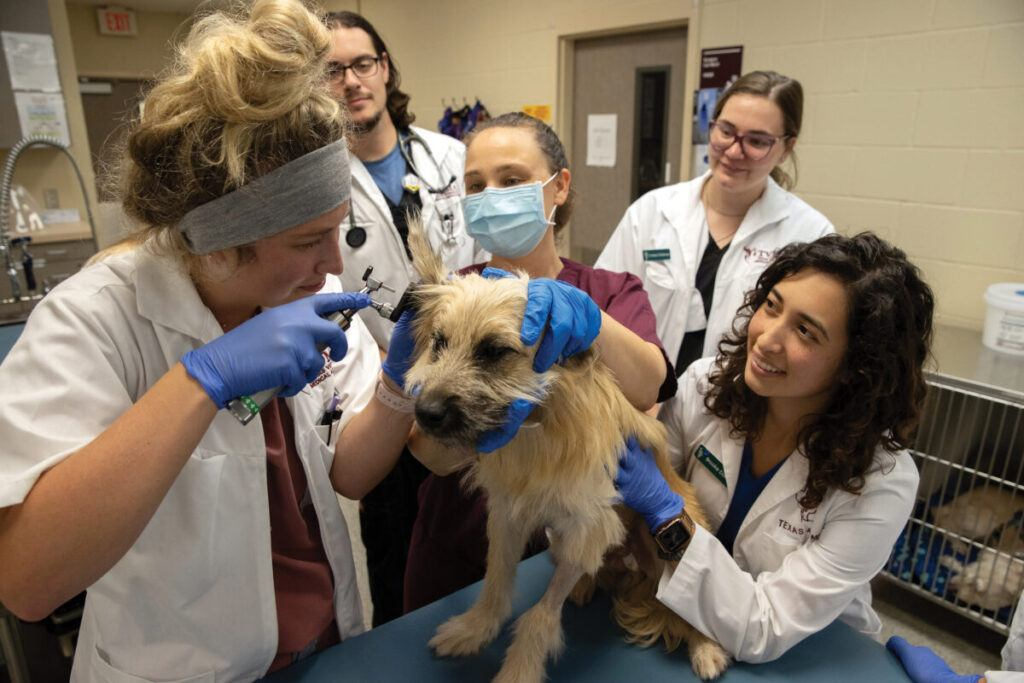
The first step is knowing the signs, the second is knowing what to do. The foe of action is panic. Prepare a Pet Emergency Plan prior to the disaster. You must keep your normal veterinarian’s contact number and nearest 24-hour emergency clinic contact number saved on your phone. You should keep a first-aid kit for pets stored in both your vehicle and your residence. The emergency procedure requires you to contact the veterinarian before your visit to the clinic. The emergency team needs to prepare its resources to receive you during your visit.
Your pet is all about you and your well-being. Knowing these warning signs that are very crucial, you can be sure that you are ready to take action when every second matters. Follow your gut; when the behavior of your pet feels wrong, or they look to be unhappy, then it is always safer to be on the wrong side. Your promptness and the professional treatment given by a reputed animal hospital are the ultimate protection to save the life of your dear one.