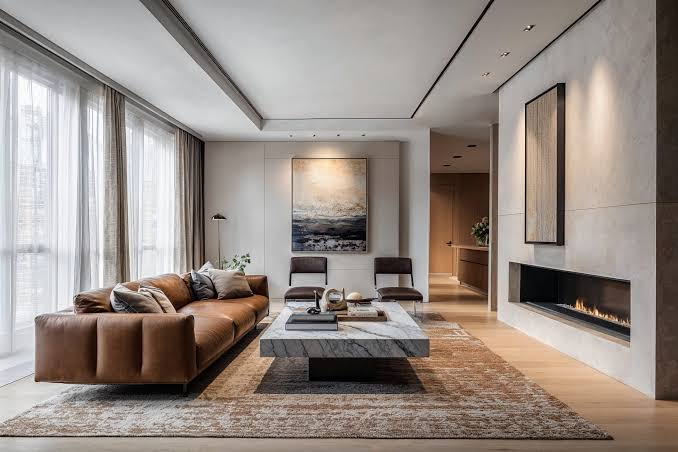

There’s a reason some rooms feel instantly comfortable the moment you walk in—and lighting is usually the quiet force behind it. Most people treat lighting as an afterthought, swapping in a bulb here or adding a floor lamp there. But thoughtful lighting design does something far more powerful: it shapes how a space feels, functions, and flows.
Layered lighting is the approach professional interior designers rely on to achieve that balance. Instead of depending on a single overhead fixture to do all the work, layered lighting design combines multiple light sources—each with a different purpose—to create a room that’s both practical and visually inviting. The result? A home that adapts to your needs, whether you’re cooking, reading, or simply unwinding after a long day.
Ambient Lighting: Your Home’s Foundation
Every lighting design starts with ambient light. This is the base layer—the general illumination that fills a room and makes it usable. Think of it as the equivalent of natural daylight, replicated indoors.
Ceiling fixtures, recessed downlights, and chandeliers are common sources of ambient light. The key is to distribute it evenly, avoiding harsh shadows or overly bright spots that make a room feel clinical. Dimmer switches are a simple but effective upgrade here, giving you control over the mood without changing a single fixture.
A common mistake is over-relying on ambient light alone. When it’s the only layer, a room can feel flat—functional, but lacking character.
Task Lighting: Illuminating Your Activities
Task lighting is exactly what it sounds like: light designed to help you do things. Reading, cooking, writing, applying makeup—each of these activities benefits from focused, direct illumination that reduces eye strain and improves accuracy.
Under-cabinet lighting in the kitchen, a desk lamp in a home office, and bedside reading lights are all classic examples. Good lighting design ensures task lighting is bright enough to be effective, but not so stark that it clashes with the rest of the room.
Placement matters as much as intensity. Task lights should be positioned to shine directly onto the work surface, not into your eyes. Getting this right makes everyday activities noticeably easier—and far more comfortable.
Accent Lighting: Highlighting Your Home’s Beauty
The third layer in any well-considered lighting design is accent lighting. While ambient and task lighting focus on function, accent lighting is where personality enters the picture.
Accent lights draw the eye to specific features—an art piece, a bookshelf, an architectural detail, or a textured wall. Track lighting, wall sconces, and LED strip lights tucked behind furniture or along shelving are popular choices. As a general rule, accent lighting should be roughly three times brighter than the ambient layer to create enough contrast to be effective.
This layer transforms a room from simply lit to deliberately designed. It adds depth, dimension, and a sense of intentionality that’s hard to achieve with overhead lighting alone.
Bringing It All Together: Crafting Your Lighting Design
Knowing the three layers is one thing—combining them well is another. Effective lighting design requires thinking about each room individually, considering how it’s used, at what times of day, and by whom.
Start by mapping out the activities that happen in each space. A living room might need soft ambient light for evenings, brighter task lighting near a reading chair, and accent lighting to showcase a gallery wall. A kitchen calls for strong ambient and task layers, with accent lighting reserved for open shelving or a kitchen island.
Here are a few practical principles to guide your approach:
- Layer intentionally. Each fixture should serve a clear purpose within the overall lighting design.
- Use dimmers wherever possible. Flexibility is one of the greatest assets in a layered system.
- Balance warm and cool tones. Warm light (2700–3000K) suits living areas and bedrooms; cooler tones (3500–4000K) work better in kitchens and workspaces.
- Don’t neglect natural light. Great lighting design works with daylight, not against it.
A Brighter, More Functional Home
Layered lighting isn’t a luxury reserved for interior designers or high-end renovations. With a clear understanding of ambient, task, and accent light—and how they interact—anyone can transform the way their home looks and feels.
The effort pays off in quiet, everyday ways: a kitchen that’s easier to cook in, a living room that’s more relaxing to spend time in, a bedroom that actually helps you wind down. That’s the real promise of thoughtful lighting design—not just a prettier home, but a more livable one.
Start with one room. Assess what’s missing, add a layer, and notice the difference. Good lighting has a way of making everything else fall into place.