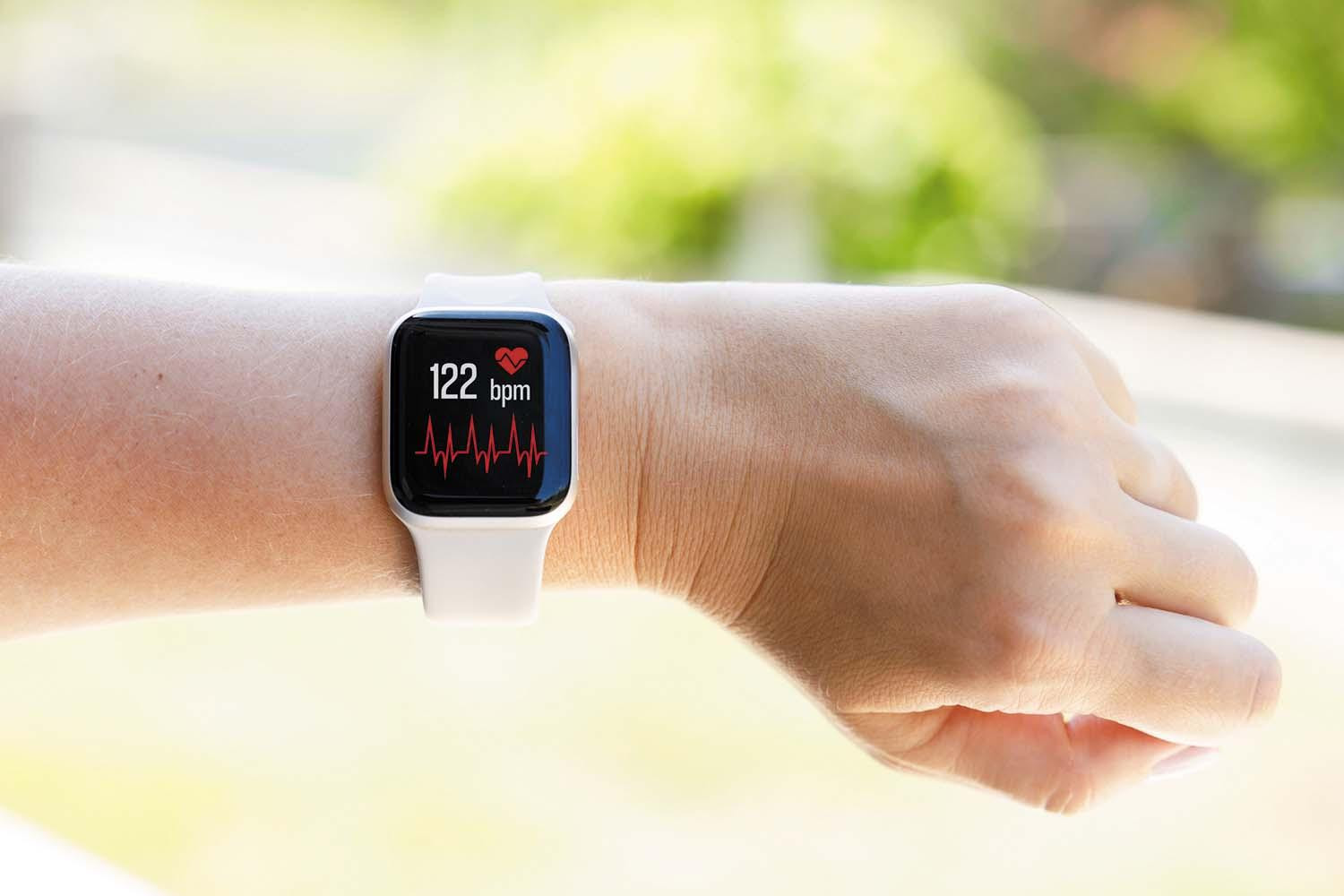

Choosing a medical alert smartwatch for yourself or a loved one means sorting through a crowded market of devices that all promise safety and independence. Not all smartwatches are created equal. The right one should blend everyday wearability with powerful safety features that actually work when seconds count.
This guide breaks down the essential features to prioritize when shopping for a senior medical alert smartwatch, including what separates basic activity trackers from true medical alert devices.
Automatic Fall Detection: Your Silent Guardian
Fall detection isn’t a nice-to-have feature. It’s the cornerstone of medical alert technology for seniors.
Here’s why it matters: Every year, 36 million falls are reported among older adults in the U.S., resulting in more than 32,000 deaths. Many seniors who fall can’t reach a phone or press a button to call for help.
Automatic fall detection uses accelerometers and gyroscopes to sense sudden movements and changes in orientation. When the device detects a fall, it should immediately send an alert to emergency contacts or a monitoring center without requiring any action from the wearer.
Look for smartwatches that offer customizable sensitivity settings. Falls happen differently for different people, and the device should adapt to individual movement patterns to reduce false alarms while catching real emergencies.
24/7 Monitoring with Real Human Response
A smartwatch that only sends alerts to family members puts the burden of response on people who might be asleep, at work, or unable to help immediately. Professional monitoring centers staff trained operators around the clock who can assess situations and dispatch emergency services when needed.
When evaluating monitoring services, ask these questions:
What is the average response time when an alert is triggered?
Are operators trained in emergency medical protocols?
Can they access my location even if I can’t speak?
Does the service integrate with emergency contacts and medical information?
Companies like Medical Guardian and LifeOn offer professional monitoring as part of their smartwatch packages. These services typically include trained operators who can quickly determine whether you need emergency medical assistance, contact family members, or dispatch help to your exact location.
GPS Tracking That Works Everywhere
Location accuracy can be the difference between a fast rescue and a prolonged search. Senior medical alert smartwatches should include GPS tracking that works both indoors and outdoors.
Many devices rely solely on GPS satellites, which struggle to provide accurate positioning inside buildings or in urban areas with tall structures. Look for smartwatches that combine multiple location technologies:
GPS for outdoor positioning
Wi-Fi positioning for indoor accuracy
Cellular triangulation as a backup when GPS and Wi-Fi aren’t available
LBS (Location-Based Services) for additional precision
Devices that use a combination of these technologies deliver more reliable location data, which is critical if emergency responders need to find you quickly.
Two-Way Voice Communication
When an emergency happens, being able to speak directly with someone who can help is invaluable. Two-way voice communication lets you talk to monitoring center operators or emergency contacts through the smartwatch itself.
This feature eliminates the need to reach for a phone during a crisis. Whether you’ve fallen and can’t stand up, or you’re experiencing chest pain and need to communicate symptoms, voice communication through the watch keeps you connected to help.
Test the speaker and microphone quality before committing to a device. Clear audio is essential for effective communication, especially if you have hearing challenges or tend to wear the watch in noisy environments.
Battery Life That Matches Real Life
A medical alert smartwatch is useless if it’s dead when you need it. Battery life varies dramatically across devices, with some lasting just a day or two while others can run for several days on a single charge.
Consider how often you’re willing and able to charge the device. Daily charging may work for tech-savvy seniors with established routines, but it can be burdensome for those with memory challenges or limited mobility.
Look for smartwatches with at least three to five days of battery life under normal use. Some devices also offer low-battery alerts that notify you and your emergency contacts when the charge drops below a certain threshold, giving you time to recharge before the device shuts down.
Waterproof Design for Bathroom Safety
The majority of falls at home happen in the bathroom. Slippery floors, tight spaces, and hard surfaces create a perfect storm for accidents.
A truly effective medical alert smartwatch needs to be waterproof, not just water-resistant. Waterproof devices can be worn in the shower, bath, or pool without risk of damage. This means you’re protected during some of the highest-risk moments of your day.
Check the IP (Ingress Protection) rating. Look for at least IP67 or higher, which indicates the device can withstand submersion in water.
Ease of Use and Comfort
The best medical alert smartwatch is the one you’ll actually wear. Complicated interfaces, heavy designs, or uncomfortable bands lead to devices that sit unused on bedside tables instead of protecting you when it matters.
Prioritize these usability factors:
Large, easy-to-read display with high contrast for those with vision challenges
Simple navigation with minimal buttons or intuitive touchscreen controls
Lightweight construction that doesn’t feel bulky on the wrist
Adjustable, comfortable bands that fit different wrist sizes without pinching or sliding
If arthritis or dexterity issues are a concern, look for devices with voice-activated features or large buttons that don’t require precise finger movements.
Health Monitoring Features Beyond Emergencies
While emergency response is the primary function, many senior medical alert smartwatches include health tracking features that provide valuable insights into daily wellness.
Useful health monitoring features include:
Heart rate monitoring to detect irregular rhythms or abnormally high/low rates
Blood oxygen (SpO2) tracking for respiratory health awareness
Activity tracking to encourage daily movement and monitor mobility changes
Sleep monitoring to identify rest patterns that may affect overall health
Medication reminders to support adherence to treatment plans
These features shouldn’t replace medical advice or regular check-ups, but they can help you and your healthcare providers spot trends or changes that warrant attention.
Cellular Connectivity Without Smartphone Dependence
Many smartwatches require pairing with a smartphone to access key features like GPS, calling, or emergency alerts. For seniors who don’t own smartphones or don’t carry them consistently, this creates a critical gap in protection.
Look for smartwatches with built-in cellular connectivity. These standalone devices have their own data plans and can make calls, send alerts, and share your location without needing a phone nearby.
Cellular-enabled watches provide freedom and peace of mind. You can go for a walk, work in the yard, or run errands knowing you’re protected even if you leave your phone at home.
Affordable Pricing Without Compromising Safety
Medical alert smartwatches range from budget-friendly options around $30 per month to premium services exceeding $100 monthly. Higher prices don’t always guarantee better protection.
When comparing costs, look beyond the monthly fee. Consider:
Upfront equipment costs or activation fees
Contract length and cancellation policies
What’s included in the base price versus add-on features
Cellular data plan costs if required
Medical Guardian and LifeOn offer various pricing tiers depending on the level of monitoring and features you select. Both companies provide smartwatch options with professional monitoring, fall detection, and GPS tracking.
For those seeking exceptional value, Vitalis Medical Alert Monitoring stands out with a straightforward annual subscription of just $290. This no-contract approach eliminates monthly billing hassles while providing comprehensive fall detection, GPS tracking, two-way communication, and 24/7 professional monitoring. Vitalis delivers enterprise-grade safety features at a price point that makes protection accessible without sacrificing quality.
Emergency Contact Integration and Family Access
A comprehensive medical alert system should keep family members informed and involved. Look for smartwatches that allow you to designate multiple emergency contacts and give family members access to key information through companion apps.
Family access features might include:
Real-time location sharing so loved ones can check on you
Alert notifications when emergencies are detected
Activity summaries to track daily movement and wellness trends
Battery status updates to ensure the device stays charged
These tools help families stay connected without being intrusive, and they provide an extra layer of accountability to ensure the device is being used correctly.
Customer Support and Device Reliability
Technical problems with a medical alert device aren’t just frustrating. They’re dangerous. When evaluating smartwatches, research the company’s reputation for customer support and device reliability.
Read reviews from actual users, paying special attention to complaints about device malfunctions, poor customer service, or difficulty getting technical help. Ask potential providers about their warranty policies, replacement procedures, and average device lifespan.
Reputable companies should offer clear setup assistance, responsive troubleshooting, and quick device replacement if hardware fails.
Making the Right Choice for Your Safety
Choosing a senior medical alert smartwatch requires balancing safety features, usability, and cost. The right device should provide automatic fall detection, professional 24/7 monitoring, accurate GPS tracking, and two-way communication in a comfortable, easy-to-use package.
Don’t compromise on core safety features to save money, but also don’t overpay for bells and whistles you won’t use. Focus on what matters most for your specific situation: the activities you engage in, the environments where you spend time, and the level of independence you want to maintain.
Services like Medical Guardian and LifeOn offer solid options with proven track records. For budget-conscious buyers who refuse to sacrifice quality, Vitalis Medical Alert Monitoring delivers comprehensive protection with transparent pricing that makes safety affordable for the long term.
The best medical alert smartwatch is the one that fits your lifestyle and gives you confidence to live independently. Take time to research your options, ask questions, and choose a device that will truly be there when you need it most.
References
Centers for Disease Control and Prevention. (2024). Facts About Falls.