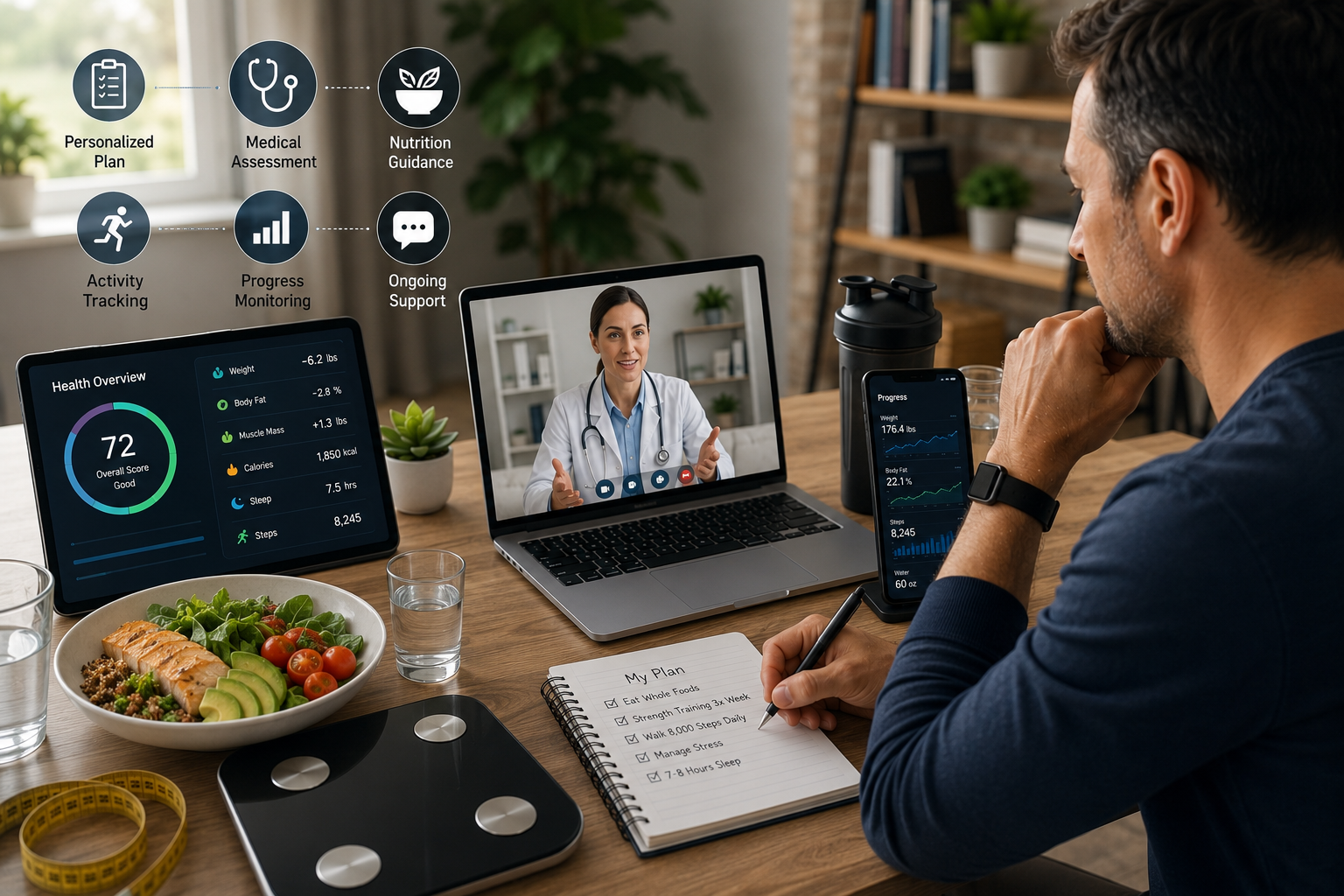

The tradition of health advice has been around for a while and centered on general guidelines that will help large populations. These guidelines are useful but do not always take into consideration the differences in biology which make each person different. This is being revolutionized by the increasing capabilities of medical research, biotechnology and data analysis, which are now making personalized health recommendations easier and more available than ever.
Individuals are no longer seeking to follow the same diets, workouts or wellness programs, but rather ones that fit their specific genetic makeup, lifestyle, health profile and goals. This evidence-based change is empowering people to make decisions for their long-term health and wellbeing, not based on broad trends.
Why One-Size-Fits-All Advice Has Limitations
General health guidelines are based on information gathered from many people. These recommendations are a good start to live healthily but do not guarantee how each person will react.
- For instance, two individuals can:
- Adhere to the same diet plan
- Complete identical workouts
- Try to get the same amount of sleep
- Take the same nutritional supplements
But, have different experiences.
The body’s functioning is affected by age, genes, metabolism, hormones, environment, stress, and current medical conditions. Personalized health recommendations are taking these differences into account and try to make more personalized recommendations based on individual factors.
The Science Behind Personalized Wellness
Personalized wellness is a collection of health information that is personalized through a package of information based on scientific evidence.
These can be from any of the following:
- Medical history
- Laboratory testing
- Genetic analysis
- Lifestyle assessments
- Sleep patterns
- Physical activity data
- Nutrition tracking
HCP can use this data to make realistic recommendations for lifestyle changes that may improve a person’s health.
Personalized wellness does not replace conventional medicine, but rather is an addition to preventive medicine and helps people make informed choices.
How is preventive care changing?What changes in preventive care are occurring due to genetics?
Scientists are still uncovering the link between different genes and numerous health outcomes.
Genes may affect:
- Nutrient metabolism
- Exercise performance
- Recovery speed
- Inflammation response
- Drug metabolism
- Certain disease risks
Knowing these trends help prevent health care providers implement more personalized prevention plans.
While genes play a part in health outcomes, they are not the only factors and should be considered alongside healthy lifestyle options.
The role of Bio-markers in Personalized Recommendations
A biomarker is a physical parameter that can be measured to give information about the functioning of the body.
- Common biomarkers include:
- Blood glucose
- Cholesterol
- Blood pressure
- Vitamin levels
- Hormone levels
- Inflammatory markers
With regular monitoring, trends can be spotted in advance of symptoms becoming apparent.
Taking this proactive step gives the individual and/or healthcare provider the ability to modify their nutritional and/or physical activity levels or other wellness management strategies, rather than on the assumption.
Technological innovations that are helping to make informed health choices.
Personalized health information is more readily available today with modern technology and is easier to understand.
There are a lot of people who are now using:
- Smartwatches
- Fitness trackers
- Mobile health applications
- Continuous glucose monitors
- Digital nutrition journals
These tools offer continuous information on daily habits and wellness.
AI can also sift through vast quantities of health information to detect trends that might not be apparent before, enabling healthcare practitioners to make more tailored suggestions.
The importance of lifestyle in maintaining good health has been established.
Despite all the developments in genetics and biotechnology, the most important factors affecting health are the daily habits.
Good habits that promote good health are:
- Giving a balanced diet to a child.
- Exercising regularly
- Managing stress
- Sleeping adequately
- Staying hydrated
- Avoiding smoking
Avoiding overindulgence in alcohol
Personalized recommendations just offer people an idea of which habits are the most important to focus on given their own health profile.
Personalized Nutrition is becoming more prevalent.
Nutrition values are different for different people.
Some factors affecting nutrition are:
- Age
- Activity level
- Digestive health
- Food sensitivities
- Medical conditions
- Genetic differences
Rather than the trendy diets, many people are now interested in customising their diet plans according to their body needs.
This personalized approach can enhance consistency as recommendations are more relevant and practical.
The field of peptide science is a developing area of research, so it is crucial to grasp the emerging science in this area.
With the emergence of precision medicine, the peptide biology and its application to personalized medicine is an area of research interest for many scientists.
research peptides explained resources may provide information about peptides and how they are involved in different biological processes. Their involvement in various cellular processes including communication, metabolism, tissue repair, and other physiological functions is still being explored.
A lot of this still takes place in the research environment, and continuing research is helping to increase the body of scientific knowledge, not provide universal wellness recommendations.
The use of DNA-based insights to deliver personalized care.
Over the last decade DNA analysis has become more and more available.
Genetic testing can give information about:
- Inherited health risks
- Nutrient processing
- Exercise tendencies
- Drug metabolism
- Certain physiological traits
This information can be used to conduct conversations with patients and healthcare providers regarding preventive strategies and lifestyle planning.
In addition, others delve into a DNA peptide test in the context of overall research into the personalization of medical data and the evolving fields of peptide science. Scientific evidence and qualified medical advice should always be considered in the interpretation of results.
Preventive Healthcare is becoming more personalized.Preventive Healthcare Is Personalizing.
Perhaps one of the biggest benefits of personalized recommendations is the focus on prevention, instead of treatment.
Personalised healthcare promotes proactive management of key health data that can be tracked over time, rather than waiting for symptoms to arise.
This forward-thinking method could involve:
- Regular health screenings
- Biomarker tracking
- Nutrition assessments
- Fitness evaluations
- Stress management strategies
- Lifestyle coaching
The sooner these concerns are identified the sooner it can be recommended that intervention be made to prevent worsening issues.
What are the challenges to personalized healthcare?
However, there are still some significant hurdles to personalized wellness.
These include:
- Ensuring the security of health information.Securing confidential health information.
- Getting a very accurate interpretation of the complicated results
- To not overpromise and underdeliver is an important strategy to avoid false advertising.
- Improving affordability
- Increasing access to skilled health care providers
- Regulatory compliance and clinical efficacy will continue to be critical to ensure the credibility of customised health care.
Looking Ahead
As technology and research continue to improve, the healthcare landscape is poised to become even more personalized in the future.
Emerging innovations include:
- Artificial intelligence-assisted diagnostics
- Improved genetic analysis
- Advanced biomarker monitoring
- Digital health platforms
- Precision nutrition
- Personalized preventive medicine
These advances should enhance health outcomes and give people access to scientifically sound, factual information that will inform their choices.
Conclusion
Personalized health recommendations represent an important evolution in preventive healthcare. By combining genetics, biomarkers, lifestyle information, and modern technology, healthcare providers can develop more individualized strategies that reflect each person’s unique biology. While general wellness guidelines continue to provide valuable direction, personalized approaches offer greater precision and may improve long-term health planning. As research progresses, evidence-based personalization is expected to play an increasingly significant role in helping people achieve healthier lives.
Frequently Asked Questions
What are personalized health recommendations?
They are health suggestions tailored to an individual’s genetics, lifestyle, medical history, and measurable health data rather than relying solely on general population guidelines.
Why are personalized recommendations becoming more popular?
People respond differently to nutrition, exercise, and medical treatments, making individualized guidance more effective for many health goals.
Are genetics the only factor in personalized healthcare?
No. Genetics is only one part of the picture. Lifestyle, environment, biomarkers, sleep, stress, and nutrition all contribute to overall health.
Can wearable devices improve personalized wellness?
Yes. Wearable devices provide continuous information about activity, heart rate, sleep, and recovery, helping users and healthcare professionals monitor health trends.
Does personalized healthcare replace doctors?
No. Personalized health information is intended to support—not replace—professional medical advice, diagnosis, and treatment.
Is preventive care important in personalized wellness?
Yes. Personalized preventive care focuses on identifying potential health risks early, allowing individuals to make informed lifestyle changes before more serious conditions develop.