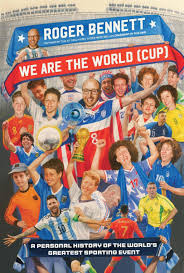

The World Cup is widely considered the most exciting, popular, and prestigious sporting event on the planet. Organized by the Fédération Internationale de Football Association (FIFA), the FIFA World Cup brings together the best national football teams from around the world to compete for the ultimate prize in football.
Every four years, billions of fans tune in from different countries, making it one of the most-watched sporting events in history. The tournament is not just about football; it is about passion, culture, unity, and global celebration. From thrilling goals to emotional victories and heartbreaking defeats, the World Cup delivers unforgettable moments that stay in history forever.
This article will explain everything about the World Cup, including its history, structure, importance, famous moments, and what makes it so special.
History of the World Cup
The idea of the World Cup started in the early 20th century. Before its creation, international football tournaments were limited mainly to the Olympic Games. However, as football became more popular worldwide, FIFA decided to create a separate global tournament.
The first official World Cup took place in 1930 in Uruguay. Thirteen teams participated, and Uruguay became the first-ever champion. Since then, the tournament has grown massively in size, popularity, and global impact.
Over the years, the World Cup has been hosted by different countries across continents, including Brazil, Germany, France, Japan, South Africa, and Russia. Each edition brings new stories, new champions, and unforgettable football history.
Structure of the World Cup
The World Cup follows a well-organized structure designed to include the best teams from every region of the world.
1. Qualification Stage
Before the main tournament begins, countries must compete in qualification matches. These matches are played across different continents such as Europe, Asia, Africa, and South America. Only the best teams from each region qualify for the final tournament.
2. Group Stage
In the group stage, qualified teams are divided into groups. Each team plays against others in its group. Points are awarded for wins and draws. The top teams from each group move forward to the next stage.
3. Knockout Stage
The knockout stage is where the competition becomes intense. Teams play single-elimination matches, meaning if they lose, they are out of the tournament. This stage includes the Round of 16, Quarter-Finals, Semi-Finals, and Final.
4. The Final Match
The final is the most important match of the tournament. The two best teams compete for the World Cup trophy. The winning team becomes the world champion and earns a place in football history.
Why the World Cup is So Popular
The World Cup is more than just a football tournament. It is a global celebration that connects people from different cultures and backgrounds. There are several reasons behind its massive popularity:
1. Global Participation
Almost every country in the world participates in the qualification process, making it a truly international event.
2. Emotional Connection
Fans support their national teams with great passion. The emotional highs and lows make the tournament very special.
3. World-Class Players
The best football players in the world compete in the World Cup, including legends and rising stars.
4. Historic Moments
The tournament has produced many unforgettable moments, such as last-minute goals, penalty shootouts, and surprise victories.
Famous World Cup Moments
Over the years, the World Cup has given fans some of the most iconic moments in sports history:
- 1950: Uruguay shocked Brazil in the final match in front of a massive home crowd.
- 1986: Diego Maradona scored the famous “Hand of God” goal and the “Goal of the Century.”
- 1998: France won their first World Cup on home soil.
- 2002: Brazil, led by Ronaldo, won their fifth title.
- 2014: Germany defeated Brazil 7–1 in a shocking semi-final match.
- 2018: France won the World Cup with a young and talented squad.
Each tournament adds new memories that fans never forget.
Economic and Cultural Impact
The World Cup is not just a sporting event; it also has a huge impact on the global economy and culture.
Economic Impact
Hosting the World Cup brings massive economic benefits to the host country. It creates jobs, increases tourism, and improves infrastructure like stadiums, roads, and airports.
Cultural Impact
The tournament promotes cultural exchange. Fans from different countries travel, meet, and celebrate together. It spreads messages of peace, unity, and friendship across the world.
Famous Players in World Cup History
Many football legends have made their name through the World Cup:
- Pelé (Brazil)
- Diego Maradona (Argentina)
- Zinedine Zidane (France)
- Ronaldo Nazário (Brazil)
- Lionel Messi (Argentina)
- Cristiano Ronaldo (Portugal)
These players have delivered outstanding performances and created unforgettable memories for football fans worldwide.
Technology in Modern World Cups
Modern World Cups use advanced technology to improve fairness and accuracy in the game:
- VAR (Video Assistant Referee): Helps referees make correct decisions.
- Goal-line technology: Confirms whether the ball has crossed the goal line.
- Advanced analytics: Helps teams study performance and strategy.
Technology has made football more fair and exciting than ever before.
Future of the World Cup
The future of the World Cup looks even more exciting. FIFA is continuously improving the tournament format, expanding participation, and introducing new technologies.
Upcoming tournaments are expected to include more teams, more matches, and even greater global engagement. Football continues to grow, and the World Cup remains the heart of the sport.
FAQs About the World Cup
1. What is the World Cup?
The World Cup is an international football tournament organized by FIFA, where national teams compete to become world champions.
2. How often is the World Cup held?
It is held every four years.
3. How many teams participate in the World Cup?
Currently, 32 teams participate, but the number is expected to increase in future editions.
4. Who has won the most World Cups?
Brazil holds the record for the most World Cup wins.
5. What makes the World Cup special?
Its global participation, emotional matches, and historic moments make it the most special sporting event in the world.
Conclusion
The World Cup is more than just a football tournament; it is a global festival of sport, culture, and unity. The FIFA World Cup brings together nations from all over the world to celebrate the beautiful game of football.
From its humble beginnings in 1930 to becoming the biggest sporting event in history, the World Cup has created countless unforgettable memories. It inspires millions of people, unites different cultures, and showcases the best talent in football.
As each new tournament arrives, fans eagerly wait for more drama, excitement, and history to be made. The World Cup will always remain the greatest stage in world football.