
Every year, millions of Americans end up with diabetic supplies they no longer need. A change in prescription, a switch to a new device, or a loved one passing away can leave behind boxes of unopened test strips, CGM sensors, and other diabetic equipment that still has real value. In Ocala, FL and across the surrounding communities of Belleview, Dunnellon, and The Villages, more people are discovering that those unused supplies do not have to go to waste. This guide walks you through everything you need to know about selling diabetic supplies, from what is eligible to how the process works and why it matters beyond the cash in your pocket.
Why Unused Diabetic Supplies Have a Market
The United States has a significant and growing population of people managing diabetes. According to the CDC, over 38 million Americans currently live with the condition, and millions more are newly diagnosed each year. Managing diabetes is expensive. Continuous glucose monitors (CGMs), test strips, and insulin pump supplies can cost hundreds of dollars per month, and insurance coverage varies widely.
This creates a real demand for affordable, unopened diabetic supplies. People who are uninsured or underinsured, those between insurance plans, and individuals in lower-income situations often struggle to afford the latest devices at retail prices. The secondary market for unused diabetic supplies fills a genuine gap, connecting people who have more than they need with people who have less than they need.
When you sell your extra supplies, you are not just putting cash in your pocket. You are helping someone else afford the medical products they rely on daily.
What Types of Diabetic Supplies Can Be Sold?
Not everything qualifies, but the range is broader than most people expect. Commonly accepted items include:
- Continuous glucose monitor (CGM) sensors and transmitters. Dexcom G6, Dexcom G7, FreeStyle Libre 2, FreeStyle Libre 3, and similar brands are among the most sought-after items on the secondary market.
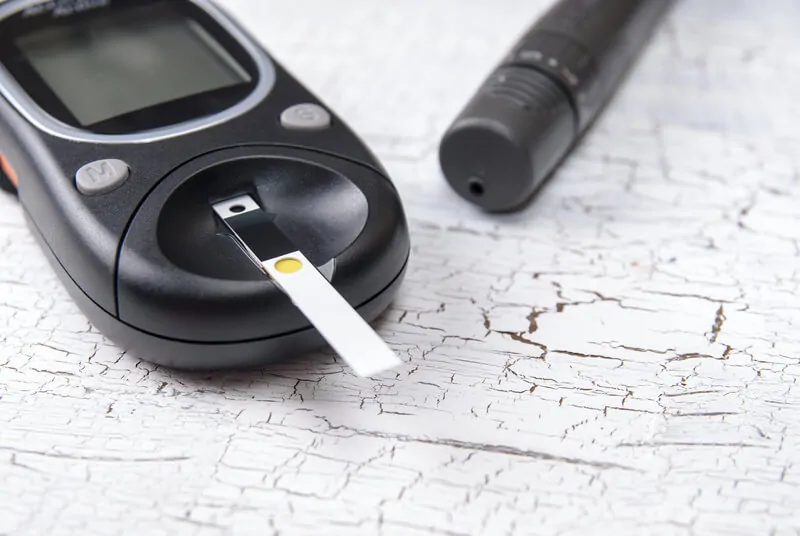
- Blood glucose test strips from brands like OneTouch, Accu-Chek, Contour, and FreeStyle are regularly purchased, provided the boxes are sealed and the expiration date has not passed.
- Insulin pump supplies including infusion sets, reservoirs, and related consumables that are still in original, unopened packaging.
- Lancets and lancing devices that are often overlooked but commonly traded when in original, sealed condition.
- Glucose meters, which in some cases may be purchased when sealed or lightly used, though acceptance policies vary by buyer.
The key factors that determine whether your supplies can be sold are straightforward: the packaging must be completely sealed and unopened, the expiration date must be far enough out that the buyer can resell them, and the items must not have been purchased through Medicaid or Medicare. Selling Medicaid or Medicare-funded supplies is a federal offense.
Understanding the Rules Before You Sell
Before selling diabetic supplies in Ocala or anywhere in Florida, it helps to understand the basic legal and ethical framework that governs this activity.
Selling personal diabetic supplies that you purchased out of pocket or through private insurance is generally legal in the United States. The supplies belong to you, and you are free to resell them just as you might sell any other personal property. However, there is one firm legal boundary: items paid for by Medicaid or Medicare cannot be legally sold. These programs are federally funded, and reselling those benefits constitutes fraud under federal law.
Reputable diabetic supply buyers in the Ocala area will always ask whether your supplies were purchased through Medicaid or Medicare. Be honest, as the consequences of misrepresentation far outweigh any financial gain. If you are unsure how your supplies were paid for, check your insurance documents or contact your pharmacy.
Beyond legality, there are also practical considerations. Supplies should be stored appropriately because extreme heat, humidity, or light exposure can degrade test strips and CGM sensors even if the package appears sealed. Most buyers will inspect items upon receipt and may decline supplies that show signs of damage or improper storage.
How the Selling Process Typically Works
If you have never sold diabetic supplies before, the process is simpler than you might expect. Here is a general overview of how it typically works with local buyers in the Ocala area:
- Gather your supplies and check the expiration dates. Most buyers require at least three to six months remaining before expiration, though requirements vary.
- Verify that all boxes are fully sealed and unopened. Partial boxes or open packages are generally not accepted.
- Contact a local diabetic supply buyer, either in person, by phone, or through their website, and provide details about what you have. Most buyers will give you a quote based on the brand, quantity, and expiration date.
- Bring your supplies in or ship them, depending on the process. Many local buyers in Ocala handle transactions in person, which means same-day cash.
- Receive payment. Local in-person transactions typically pay cash on the spot, while mail-in programs may issue payment by check, PayPal, or Zelle once items are received and inspected.
The entire process can often be completed in under an hour when working with a local buyer. For residents of Belleview, Dunnellon, or The Villages who can make the drive to Ocala, having an in-person option is a significant convenience over mailing supplies to an out-of-state buyer.
How Much Can You Expect to Get?
Prices in the secondary diabetic supply market fluctuate based on brand popularity, current demand, and how far out the expiration date is. CGM sensors from major brands like Dexcom and FreeStyle Libre tend to command the highest prices, often ranging from $20 to $60 per box depending on the model and quantity. Test strips from popular brands may fetch anywhere from $5 to $25 per box. Insulin pump supplies and infusion sets vary widely based on compatibility and brand.
While prices may seem modest per box, the total adds up quickly. A seller with several boxes of Dexcom G7 sensors, a few boxes of FreeStyle Libre 3 readers, and two or three packs of test strips could easily walk away with $100 to $300 or more in a single transaction.
Keep in mind that buyers must resell the items at a profit to sustain their business, so the prices offered will always be below retail value. The convenience of an immediate local transaction, however, often makes up for the difference.
Why Local Buyers in the Ocala Area Matter
There are national mail-in programs that buy diabetic supplies, but there are distinct advantages to working with a local diabetic supply buyer in Ocala, FL. First, you get paid faster, often the same day. There is no waiting for a package to arrive, no wondering whether your shipment was received, and no delays while a remote company processes your items.
Second, working locally means you can ask questions, verify the process, and build trust. A reputable local buyer will be transparent about pricing, explain what they can and cannot accept, and give you the opportunity to walk away if the offer does not meet your expectations.
For the wider Marion County area including residents of Belleview, Dunnellon, and communities near Gainesville and The Villages, having a trusted diabetic supply buyer in Ocala means access to a straightforward solution for supplies that would otherwise sit in a cabinet until they expire.
Final Thoughts
Selling unused diabetic supplies is a practical, legal, and genuinely helpful thing to do. Whether you ended up with extra Dexcom sensors after switching devices, inherited supplies from a family member, or simply over-ordered test strips, there is no reason to let those items go to waste. If you are ready to turn those supplies into cash, sell diabetic supplies in Ocala with a local buyer who makes the process simple, transparent, and fast. You might be surprised how quickly unused supplies turn into real money, and how much it means to the person on the other end who finally gets what they need at a price they can afford.