
Private label beauty products have become a major part of the global cosmetics industry, especially as more brands look for faster and more cost-effective ways to enter the market. Instead of building manufacturing capabilities from scratch, many businesses now rely on established manufacturing partners who can develop ready-to-market formulations under their own branding.
This shift has been driven by changing consumer expectations, faster product cycles, and increased competition in the beauty and skincare space. As a result, private label solutions have become a practical option for both new and existing beauty brands looking to expand their product range.
What Private Label Beauty Products Actually Mean
Private label beauty products are formulations created by a manufacturer that are then branded and sold by another company under its own name. These products are typically developed using existing formulations that can be customised based on branding, packaging, or minor ingredient adjustments.
This approach allows brands to focus more on marketing, distribution, and customer engagement, while the manufacturing partner handles formulation, production, and quality control.
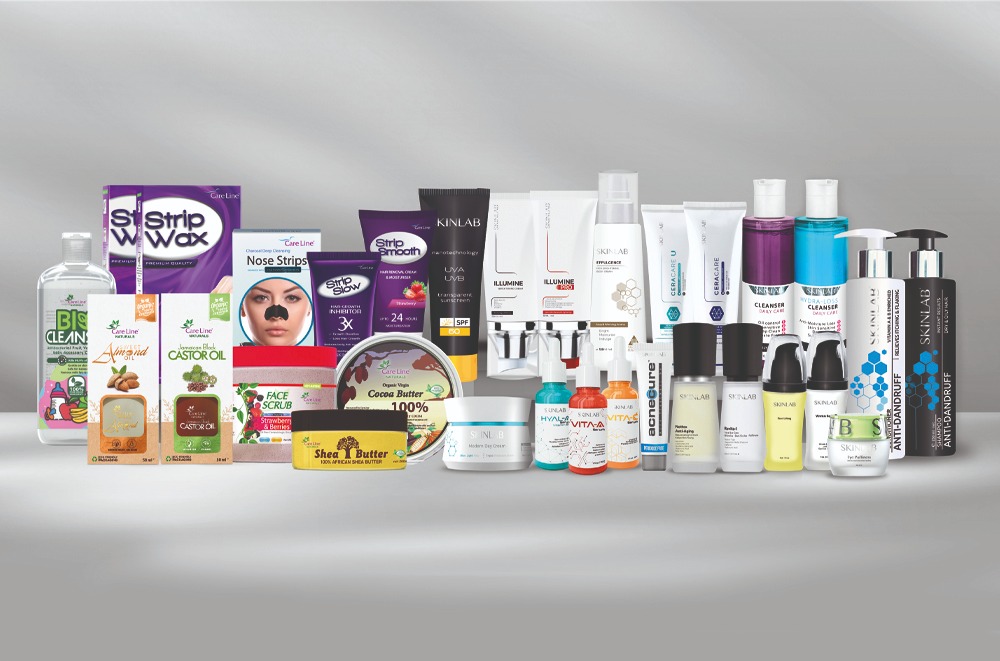
Manufacturers such as CareLine play an important role in supporting private label development by providing ready formulations and scalable production systems that help brands enter the market more efficiently.
Why Demand for Private Label Products Is Increasing
One of the main reasons private label beauty products are growing in demand is speed. Developing a product from scratch can take significant time, research, and investment. Private label solutions reduce this timeline by offering pre-developed formulations that are already tested and production-ready.
Cost efficiency is another important factor. Instead of investing heavily in R&D, brands can allocate resources toward branding, packaging design, and marketing strategies.
There is also increasing demand from consumers for variety and innovation, which encourages brands to launch new products more frequently. Private label manufacturing makes this possible without compromising on production quality.
Flexibility and Customisation for Brands
Modern private label manufacturing is not limited to generic products. Many manufacturers now offer customisation options that allow brands to adjust textures, fragrances, ingredient focus, and packaging design.
This flexibility helps brands create a more unique identity while still benefiting from established manufacturing systems and tested formulations.
Conclusion
The growing demand for private label beauty products reflects a shift in how modern beauty brands operate. Speed, flexibility, and cost efficiency have become key priorities in a highly competitive market.
With the support of experienced manufacturing partners such as CareLine, brands are able to develop and launch products more efficiently while maintaining quality and consistency. This model continues to play a major role in shaping the future of the beauty and skincare industry.